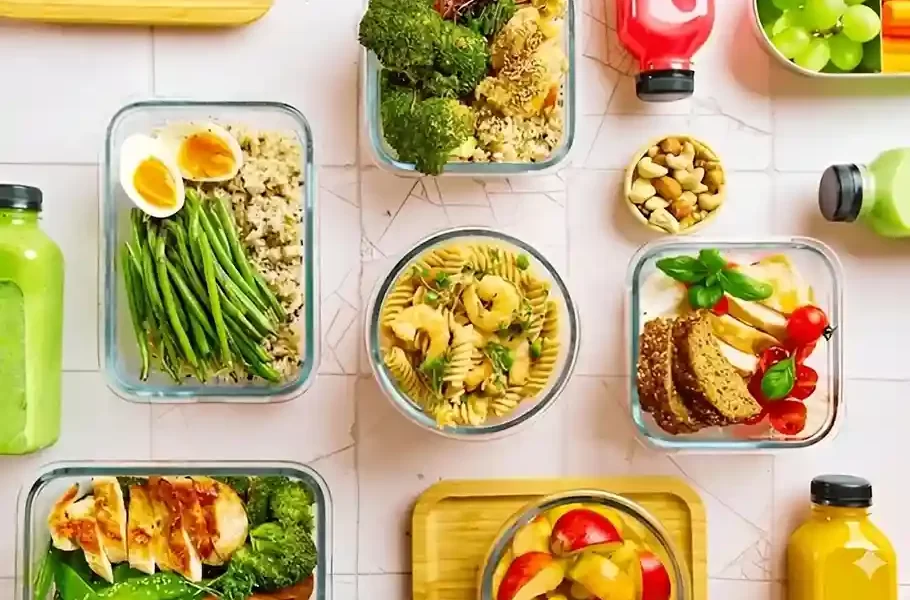

in today’s diet-driven culture, many people believe that eating less is the fastest way to lose weight. From extreme calorie restriction to trending fasting methods, the focus is often on cutting food rather than improving it. While this approach may produce quick results, it can also harm your energy levels, metabolism, and overall well-being.
A more sustainable and science-backed strategy is emerging: eat right, not just less. Instead of obsessing over calorie numbers, focusing on food quality, balance, and nourishment leads to healthier and longer-lasting weight loss.
Why “Eating Less” Isn’t Always Better

Reducing calories without considering nutrition can negatively impact your body. When you consistently under-eat, you may experience:
Fatigue and low energy
Slower metabolism
Muscle loss
Nutrient deficiencies
Weakened immune system
This calorie-first mindset often creates an unhealthy relationship with food, making weight loss harder to maintain in the long run.
The Power of Nutrient-Dense Foods
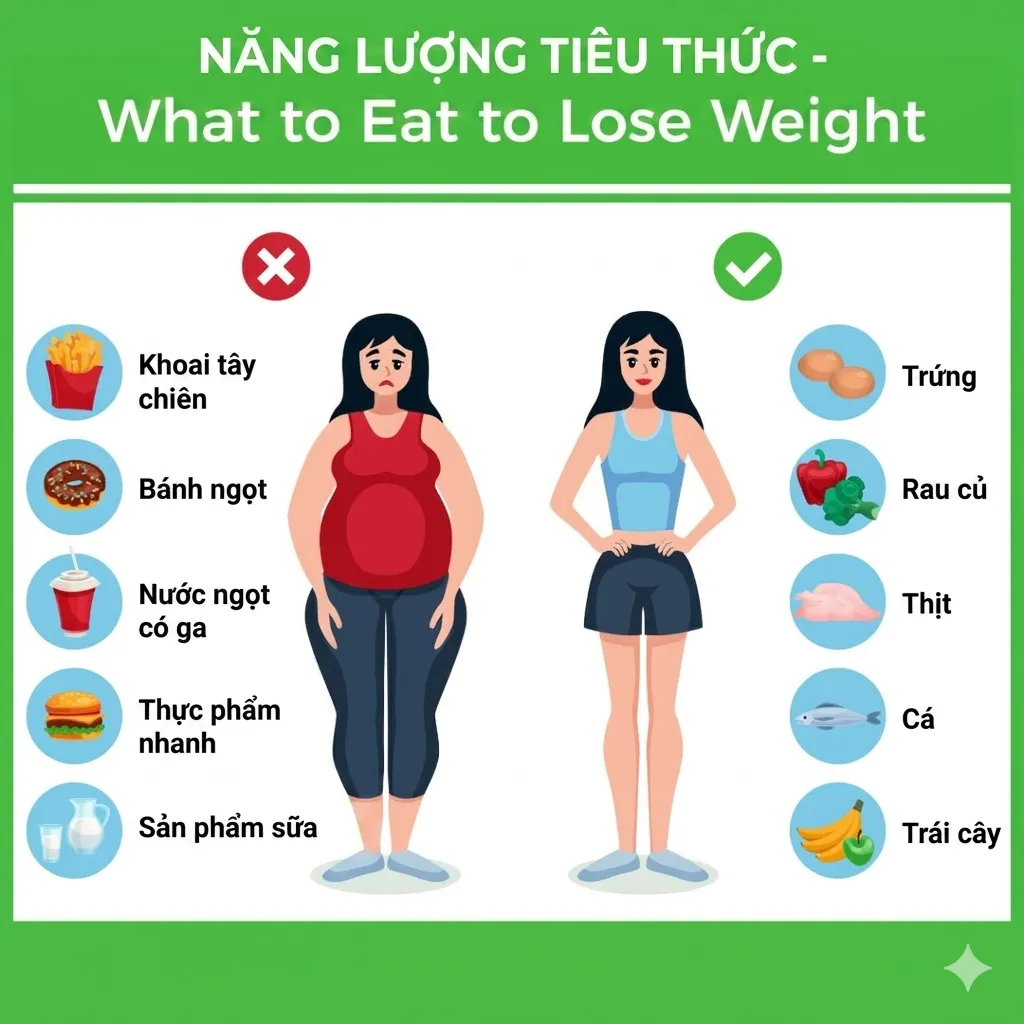
Healthy weight loss starts with nutrient density—choosing foods rich in vitamins, minerals, fiber, and protein.
Examples of nutrient-dense foods include:
Whole grains (brown rice, oats, quinoa)
Lean proteins (chicken, fish, tofu, legumes)
Fruits and vegetables
Healthy fats (nuts, seeds, olive oil)
These foods fuel your body, support metabolism, and improve overall health—without the need for extreme restriction.
Eat More, Weigh Less: The Role of Low-Calorie-Density Foods
One of the most effective strategies for weight loss is eating foods that are low in calorie density but high in volume.
These include:
Vegetables (leafy greens, broccoli, cucumbers)
Fruits (berries, apples, oranges)
Legumes and whole grains
They help you feel full longer while naturally reducing calorie intake—making weight loss easier and more sustainable.
Long-Term Results Over Quick Fixes
Crash diets and extreme calorie restriction often lead to short-term success but long-term failure. Many people regain the weight once they return to normal eating habits.
Instead, focusing on balanced nutrition:
Supports sustainable weight management
Promotes healthy aging
Builds lifelong healthy habits
For example, the “80% full” principle—eating until comfortably satisfied rather than overly full—is widely practiced in long-living populations.
Mental Health and Your Relationship with Food
Strict dieting doesn’t just affect your body—it impacts your mind too.
Over-restriction can lead to:
Food anxiety
Guilt after eating
Disordered eating patterns
A healthier approach is intuitive eating, which encourages you to:
Listen to hunger and fullness cues
Enjoy food without guilt
Build a positive relationship with eating
When you feel mentally balanced, you’re more likely to maintain healthy habits long-term.
Fueling Energy, Performance, and Immunity
Your body needs more than just fewer calories—it needs the right nutrients to function properly.
A balanced diet helps:
Boost energy levels
Improve physical performance
Strengthen the immune system
Support recovery and overall vitality
In contrast, extreme calorie restriction often leaves you feeling weak, tired, and unmotivated.
Eating Right vs. Eating Less: A Clear Comparison
| Aspect | Eating Less (Restriction) | Eating Right (Balanced Nutrition) |
| Nutrients | Often deficient | Rich in essential nutrients |
| Hunger | High, hard to control | More satisfied, less cravings |
| Sustainability | Difficult long-term | Easier to maintain |
| Mental Health | Stress, guilt, restriction | Balanced, flexible mindset |
| Physical Health | Muscle loss, low energy | Stronger body, better immunity |
Practical Tips to Start Eating Right
If you want to lose weight in a healthy way, focus on small, sustainable changes:
Prioritize whole, unprocessed foods
Include protein in every meal
Add more vegetables to your plate
Stay hydrated
Avoid skipping meals
Practice mindful eating
Consistency matters more than perfection.
Final Thoughts
Weight loss isn’t just about eating less—it’s about eating smarter. When you nourish your body with the right foods, you naturally support fat loss, improve your energy, and enhance your overall health.
Instead of chasing quick fixes, build habits that last. Over time, you’ll discover that eating right is not only more effective—it’s also more enjoyable and sustainable.
FAQs
- Is eating less necessary for weight loss?
A calorie deficit is important, but it doesn’t mean extreme restriction. The quality of food matters just as much as quantity. - What are the best foods for healthy weight loss?
Whole foods like vegetables, fruits, lean proteins, whole grains, and healthy fats. - Can I lose weight without counting calories?
Yes. Focusing on portion control, food quality, and mindful eating can be just as effective. - What is intuitive eating?
It’s an approach that encourages listening to your body’s hunger and fullness signals rather than following strict diet rules. - Why do restrictive diets fail?
They are hard to maintain and often lead to overeating later, causing weight regain.