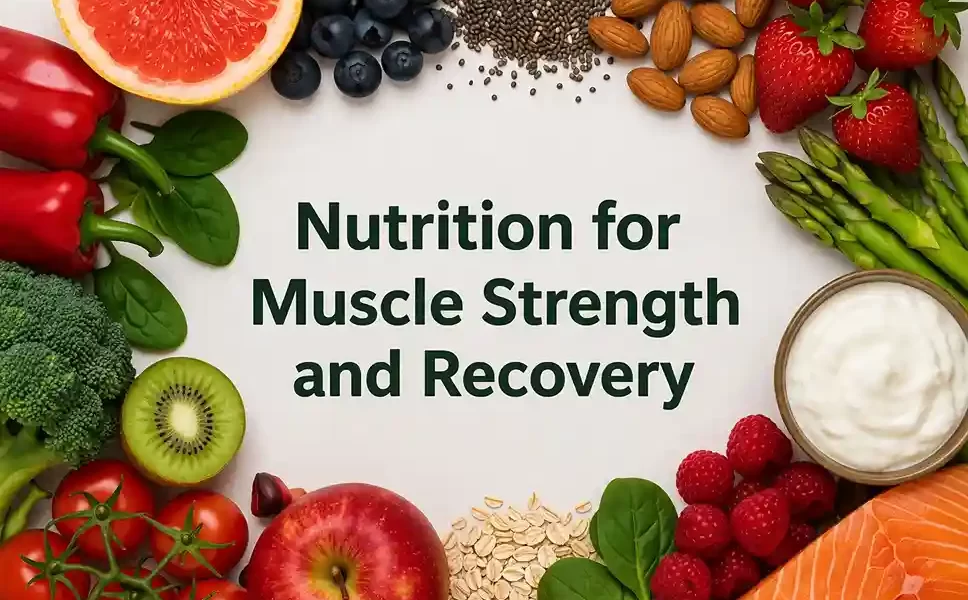

Health Recovering properly after a workout is just as important as the training itself. Whether you’re lifting weights, running, or doing high-intensity workouts, your muscles need the right nutrients to repair, rebuild, and grow stronger.
The secret? Focus on whole, nutrient-dense foods that deliver a powerful combination of protein, healthy carbohydrates, and essential micronutrients. While supplements can help, real food provides a more complete package for long-term performance and health.
Why Nutrition Matters for Muscle Recovery
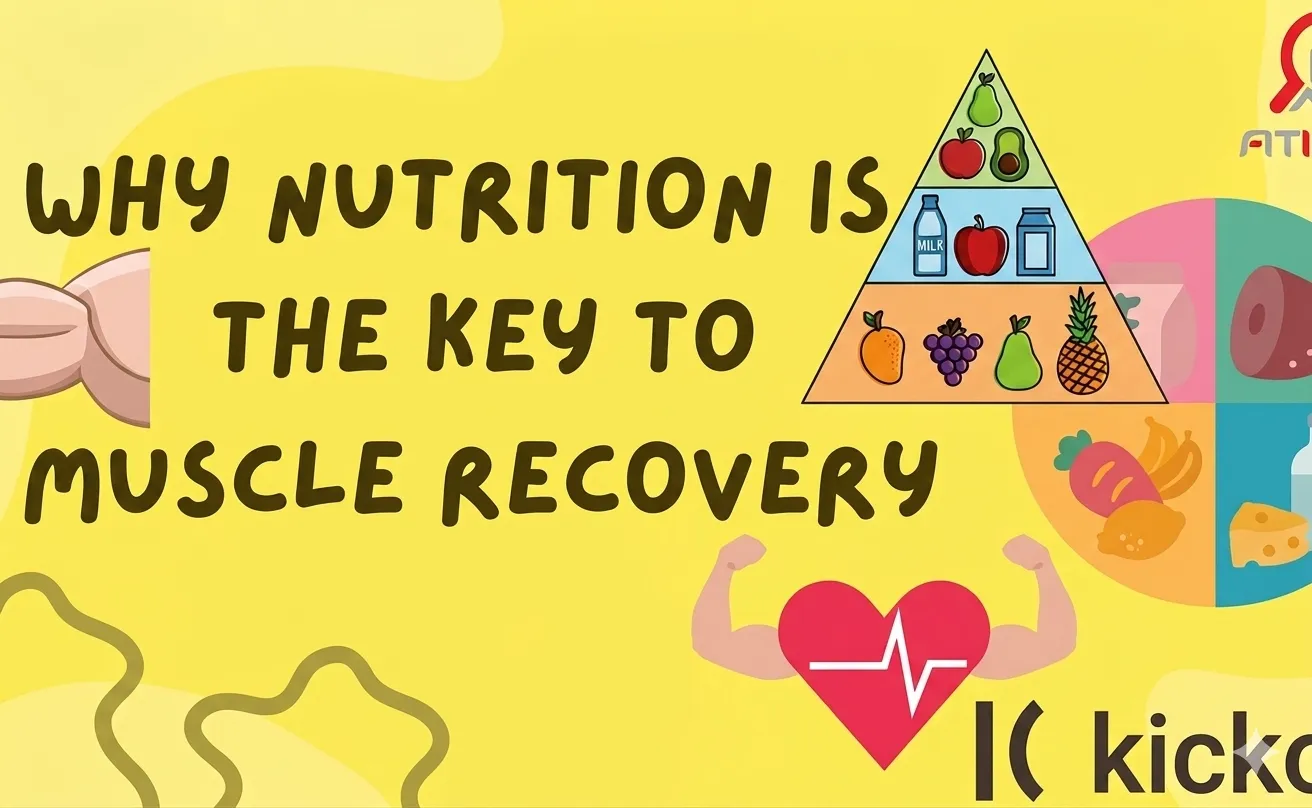
After exercise, your body goes through a repair process where muscle fibers rebuild and adapt. To support this process, your body needs:
- Protein to repair and build muscle tissue
- Carbohydrates to replenish glycogen (energy stores)
- Healthy fats to reduce inflammation
- Vitamins and minerals to support overall recovery
Whole foods naturally combine these elements, making them more effective than isolated supplements alone.
12 Best Foods for Faster Muscle Recovery
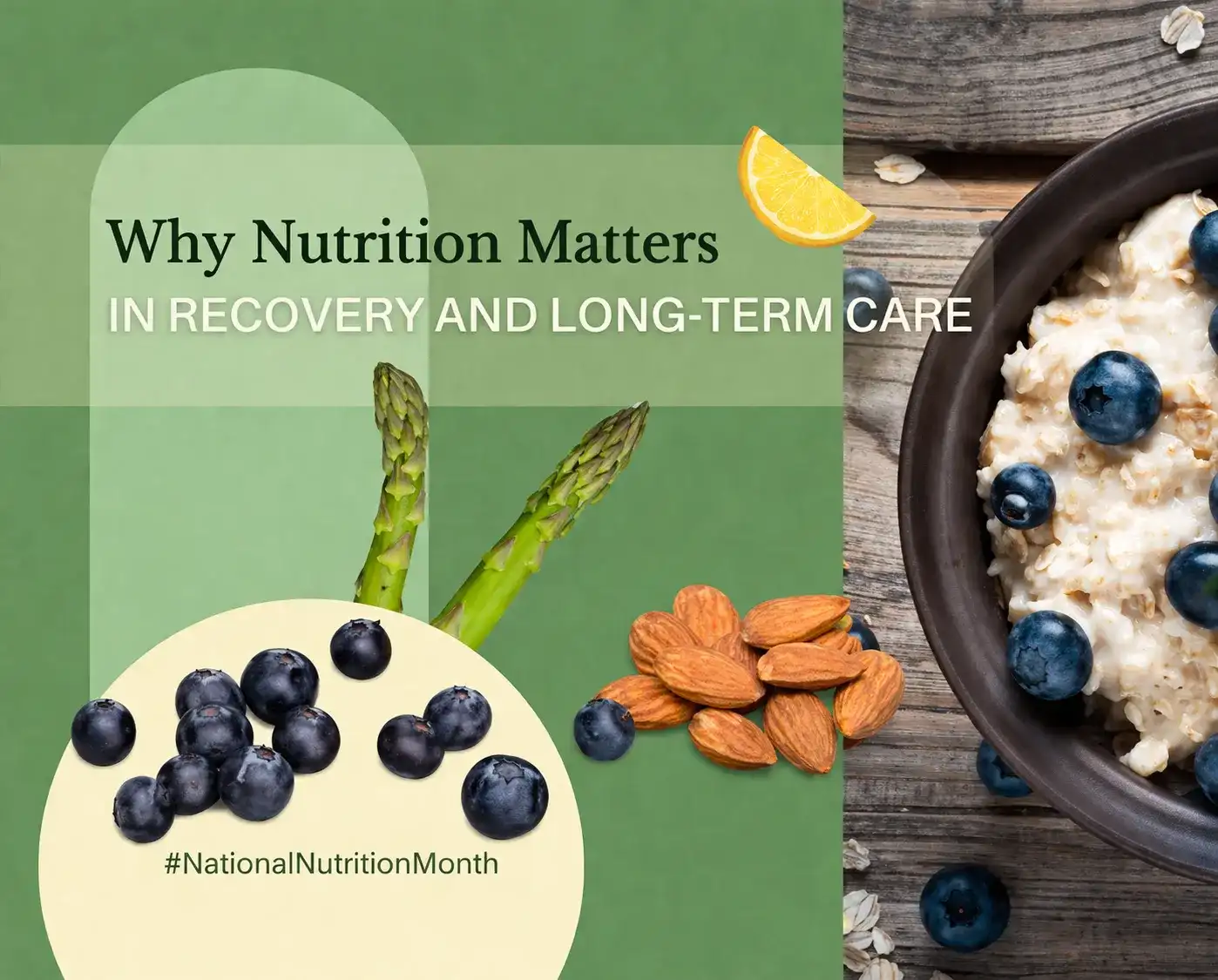
Here are the top foods you should include in your post-workout routine:
1. Salmon
Salmon is packed with high-quality protein and omega-3 fatty acids, which help reduce inflammation and promote muscle repair. Unlike fish oil supplements, salmon delivers protein, healthy fats, and key nutrients in one meal.
2. Eggs
Eggs are a complete protein source, meaning they contain all essential amino acids your body needs. They’re also rich in vitamin D and choline, supporting muscle function and recovery.
3. Greek Yogurt
Greek yogurt contains both whey and casein protein, making it ideal for both immediate and sustained muscle repair. It also includes probiotics that support gut health. Pair it with fruits or oats for added energy.
4. Chicken Breast
A staple in fitness nutrition, chicken breast provides lean protein without excess fat. It’s easy to prepare in bulk and perfect for post-workout meals.
5. Cottage Cheese
Rich in slow-digesting casein protein, cottage cheese supports overnight muscle recovery. It’s also a good source of calcium and vitamin B12.
6. Quinoa
Quinoa is a plant-based complete protein and a great source of complex carbohydrates. It also contains magnesium and iron, which help with energy production and muscle function.
7. Sweet Potatoes
Sweet potatoes are loaded with complex carbs and potassium, helping replenish glycogen stores and prevent muscle cramps.
8. Spinach
Spinach is rich in iron, magnesium, and antioxidants. It supports oxygen transport in the blood and helps reduce exercise-induced oxidative stress.
9. Bananas
Bananas provide fast-digesting carbohydrates and potassium, making them perfect for restoring energy and preventing cramps after workouts.
10. Berries (Blueberries, Cherries)
Berries are packed with antioxidants that help fight inflammation and muscle soreness caused by intense exercise.
11. Oats
Oats deliver slow-release carbohydrates, B vitamins, and iron. They help maintain energy levels and support muscle repair over time.
12. Water and Electrolytes (Coconut Water)
Hydration is critical for recovery. Coconut water provides natural electrolytes that help maintain fluid balance and support muscle contractions—without the added sugars found in many sports drinks.
How to Build the Perfect Post-Workout Meal
To maximize recovery, aim to eat within 1–2 hours after your workout. A balanced recovery meal should include:
- Protein (25–40g): Chicken, eggs, fish, or dairy
- Carbohydrates (30–60g): Fruits, whole grains, or starchy vegetables
- Fluids: Water or low-sugar electrolyte drinks
- Extras: Vegetables, fruits, and spices for added antioxidants
Example: Grilled chicken with quinoa, spinach, and a side of berries.
Whole Foods vs. Supplements
While supplements like protein powders or BCAAs are convenient, they don’t offer the full spectrum of nutrients your body needs. Whole foods provide:
- Fiber for digestion
- Antioxidants for recovery
- A complete nutrient profile for overall health
That said, combining whole foods with smart supplementation (like electrolytes) can enhance your results when needed.
Final Thoughts
The best foods for muscle recovery are simple, natural, and nutrient-rich. Options like salmon, eggs, Greek yogurt, sweet potatoes, and leafy greens outperform most supplements because they deliver complete nutrition—not just isolated compounds.
Focus on building balanced meals with protein, carbohydrates, and essential nutrients. With the right nutrition strategy, you’ll recover faster, perform better, and support long-term health and fitness goals.