
In a world that glorifies productivity and constant activity, sleep is often sacrificed in the name of success. Long work hours, endless digital distractions, and busy lifestyles have made quality sleep increasingly rare. Many people believe they can function well on minimal rest—but science tells a very different story.
The truth is simple: sleep is one of the most essential pillars of overall health, influencing everything from your mood and brain function to your risk of chronic disease.
The Growing Problem of Sleep Deprivatio

Sleep deprivation is more common than ever. Studies show that:
- Over 30% of adults don’t get enough sleep
- Up to 90% of teenagers are sleep-deprived
- Millions of people experience ongoing sleep disorders
This widespread lack of sleep is not just a minor inconvenience—it’s a serious public health concern.
Why Sleep Matters More Than You Think

Sleep is not just a time for rest. It’s an active biological process where your body and brain repair, restore, and reset.
Insufficient sleep has been linked to:
- Poor concentration and decision-making
- Reduced productivity
- Increased risk of accidents
- Chronic diseases such as heart disease, diabetes, and obesity
- Higher overall mortality risk
Research consistently shows that sleep loss has widespread and profound effects on human health.
Sleep and Mental Health: A Powerful Connection
One of the most important roles of sleep is regulating your emotional and psychological well-being.
When you don’t get enough sleep, you may experience:
- Increased anxiety
- Mood swings
- Irritability
- Reduced ability to handle stress
Sleep helps balance emotional responses, allowing you to react more calmly and think more clearly. Without it, your brain becomes more reactive and less resilient.
Types of Sleep Problems and Their Effects
Sleep issues can take different forms, and each affects your health in unique ways:
1. Sleep Deprivation
This occurs when you stay awake for extended periods without sleep. It significantly increases negative emotions and anxiety while reducing positive feelings.
2. Sleep Restriction
This involves getting less sleep than your body needs over several nights. Even small reductions in sleep can gradually lower mood and increase stress levels.
3. Sleep Fragmentation
Frequent awakenings during the night disrupt sleep quality, leading to reduced energy and emotional stability.
Across all types, one consistent finding stands out: lack of sleep reduces positive emotions and increases emotional imbalance.
How Sleep Affects Emotional Functioning
Research analyzing decades of sleep studies has found that sleep loss impacts several key areas:
- Positive emotions decrease significantly
- Anxiety levels increase
- Mood stability declines
- Emotional responsiveness becomes weaker or exaggerated
Interestingly, the more sleep you lose, the worse these effects become—a pattern known as a dose-response relationship.
Physical Health Risks of Poor Sleep
Beyond mental health, inadequate sleep also affects your body in serious ways. It is linked to:
- High blood pressure
- Heart disease
- Kidney problems
- Stroke
- Type 2 diabetes
- Obesity
Sleep is essential for maintaining immune function, hormone balance, and metabolic health.
Sleep Quality vs. Sleep Quantity
While getting enough hours of sleep is important, sleep quality and consistency are equally critical.
Recent research suggests that:
- Regular sleep schedules may be more important than total sleep time
- Interrupted or irregular sleep can harm health even if total hours seem sufficient
In other words, consistent, uninterrupted sleep is key to long-term well-being.
How to Improve Your Sleep Naturally
The good news is that improving sleep doesn’t require expensive treatments. Simple lifestyle changes can make a big difference:
1. Stick to a Sleep Schedule
Go to bed and wake up at the same time every day—even on weekends.
2. Reduce Screen Time Before Bed
Limit exposure to blue light from phones and laptops at least 1 hour before sleep.
3. Create a Relaxing Bedtime Routine
Activities like reading, meditation, or gentle stretching can help your body wind down.
4. Optimize Your Sleep Environment
Keep your bedroom dark, quiet, and cool for better sleep quality.
5. Avoid Stimulants at Night
Limit caffeine and heavy meals in the evening.
Why Prioritizing Sleep Is a Smart Investment
Among all lifestyle habits, sleep offers one of the highest returns for your health. It improves:
- Mental clarity
- Emotional balance
- Physical health
- Productivity
- Overall quality of life
In fact, protecting your sleep may be one of the most effective ways to improve both your mental and physical well-being.
Final Thoughts
Sleep is not a luxury—it’s a necessity. In a culture that often undervalues rest, prioritizing sleep is a powerful act of self-care.
By making sleep a priority, you’re not just improving your nights—you’re transforming your days, your health, and your future.
FAQs
- How many hours of sleep do I need?
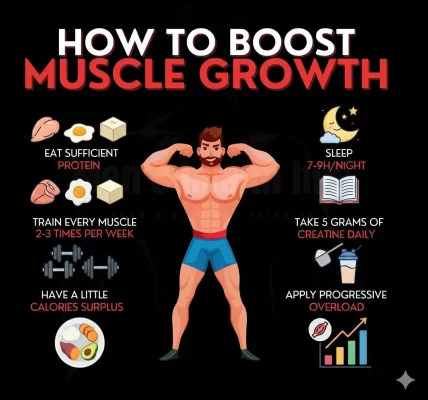
Most adults need 7–9 hours of quality sleep per night for optimal health. - What happens if I don’t get enough sleep?
You may experience fatigue, poor concentration, mood changes, and increased risk of chronic diseases. - Can I catch up on sleep later?
Occasional recovery sleep may help, but chronic sleep deprivation cannot be fully reversed. - Is sleep important for mental health?
Yes. Sleep plays a critical role in regulating emotions, reducing anxiety, and maintaining psychological well-being. - What is the most important factor for good sleep?
Consistency—going to bed and waking up at the same time daily—is one of the most effective habits.