

In today’s fast-paced world, maintaining a healthy body goes beyond just diet—it requires regular, well-balanced exercise. Whether your goal is to lose weight, build strength, or simply feel more energetic, the right exercise routine can transform both your physical and mental well-being.
But what does “proper exercise” really mean? It’s not about doing one type of workout—it’s about combining different forms of movement to support your body .
The 4 Essential Types of Exercise
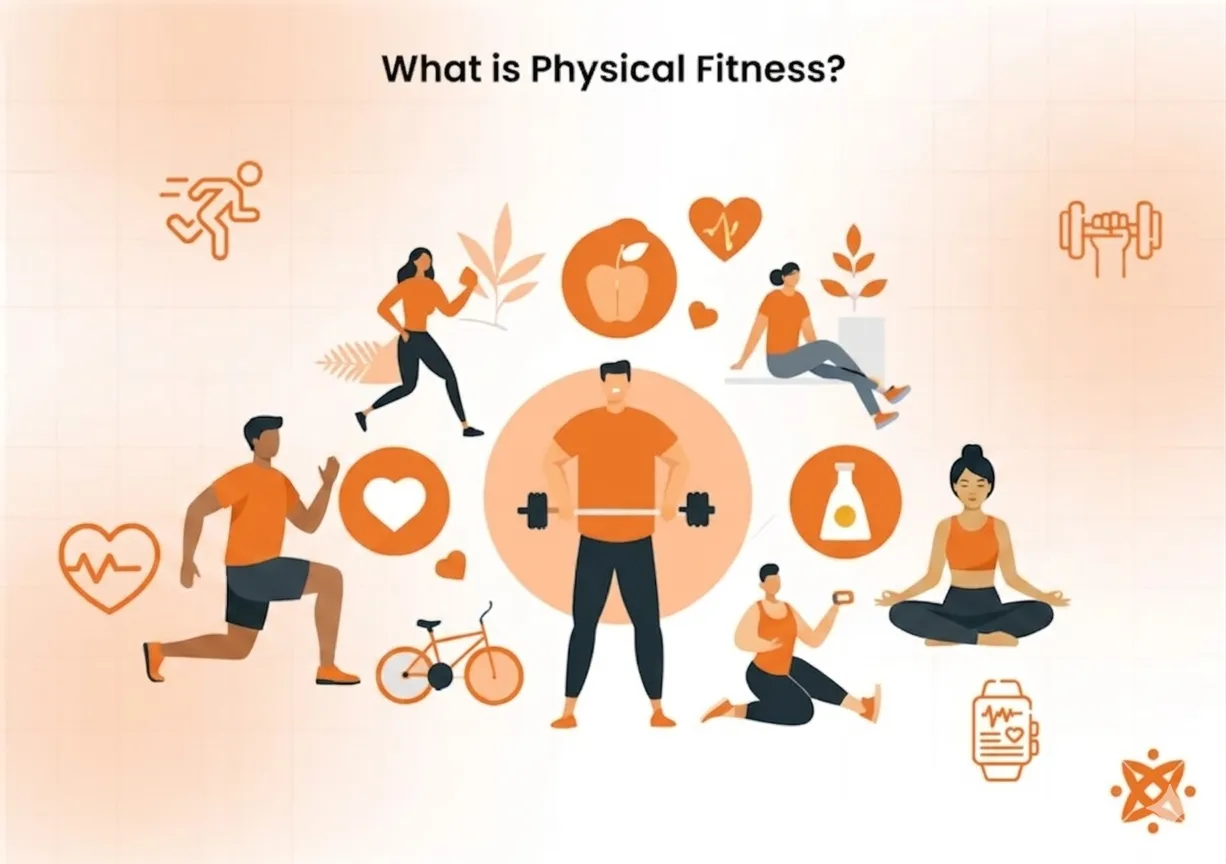
Experts classify physical activity into four main categories, each offering unique health benefits. A well-rounded fitness routine should include all of them.
1. Aerobic Exercise (Cardio)

Aerobic exercise, also known as cardio, focuses on improving heart and lung function. It increases your heart rate and breathing, helping your body use oxygen more efficiently.
Examples:
Walking
Swimming
Cycling
Dancing
Benefits:
Burns calories and reduces body fat
Improves cardiovascular health
Boosts mood and reduces stress
Helps regulate blood sugar levels
2. Strength Training (Resistance Exercise)
Strength training helps build and maintain muscle mass while improving overall body strength.
Examples:
Squats and lunges
Push-ups
Weightlifting
Resistance band exercises
Benefits:
Builds muscle and bone strength
Improves balance and stability
Reduces risk of injury and falls
Supports metabolism and fat loss
Tip: Aim to train all major muscle groups 2–3 times per week with proper rest in between sessions.
3. Flexibility and Stretching Exercises
Stretching keeps your muscles and joints flexible, improving mobility and posture—especially important as you age.
Examples:
Static stretching
Dynamic stretching
Full-body stretches
Benefits:
Enhances range of motion
Reduces muscle stiffness
Prevents injuries
Supports better posture
Best practice: Stretch after warming up or at the end of your workout for best results.
4. Balance Exercises
Balance training helps you stay stable and coordinated, reducing the risk of falls and injuries.
Examples:
Yoga
Tai Chi
Standing on one leg
Benefits:
Improves coordination
Enhances body awareness
Supports independence as you age
How Much Exercise Do You Really Need?
The amount of exercise you need depends on your fitness level and goals. However, general guidelines recommend:
150 minutes of moderate aerobic activity per week (e.g., 30 minutes, 5 days a week)
Strength training 2–3 times per week
Regular stretching and balance exercises
You can break workouts into shorter sessions—consistency matters more than duration.
Signs You Might Be Overtraining
While exercise is beneficial, too much can be harmful. Watch for these signs:
Persistent fatigue
Lack of recovery between workouts
Decreased performance
Loss of motivation
Mild muscle soreness is normal, especially at the beginning. But if exercise leaves you feeling worse instead of better, it’s time to reduce intensity or frequency.
The Powerful Benefits of Regular Exercise
A well-designed exercise routine supports both your body and mind.
Physical Benefits
Improves heart health
Strengthens muscles and bones
Helps with weight management
Reduces risk of chronic diseases
Mental Health Benefits
Exercise plays a major role in mental well-being. It stimulates the release of “feel-good” chemicals like serotonin and dopamine, which help:
Reduce stress and anxiety
Improve mood
Lower risk of depression
In fact, regular physical activity can be as effective as medication for mild to moderate depression.
What Is the Best Exercise for Weight Loss?
There is no single “best” exercise for weight loss. However:
Cardio burns the most calories
Strength training builds muscle and boosts metabolism
The most effective workout is the one you can do consistently and enjoy. Staying active regularly matters more than choosing the “perfect” exercise.
Exercise for Beginners or Limited Mobility
Even if you have physical limitations, you can still stay active. Many exercises can be adapted to suit your ability.
Simple options include:
Chair exercises (e.g., seated leg lifts, arm curls)
Wall push-ups
Gentle stretching
Short walks
Balance exercises can also be done safely by holding onto a chair or wall for support.
The key is to start small and stay consistent.
Tips to Build a Sustainable Exercise Routine
Choose activities you enjoy
Start with realistic goals
Mix different types of exercise
Allow time for recovery
Stay consistent rather than perfect
Remember, fitness is a long-term journey—not a quick fix.
Final Thoughts
Proper exercise is not about intensity or perfection—it’s about balance. By combining cardio, strength, flexibility, and balance training, you can build a body that is not only strong but also flexible and resilient.
No matter your age or fitness level, staying active is one of the best investments you can make in your health. Start today, move regularly, and your body will thank you for years to come.