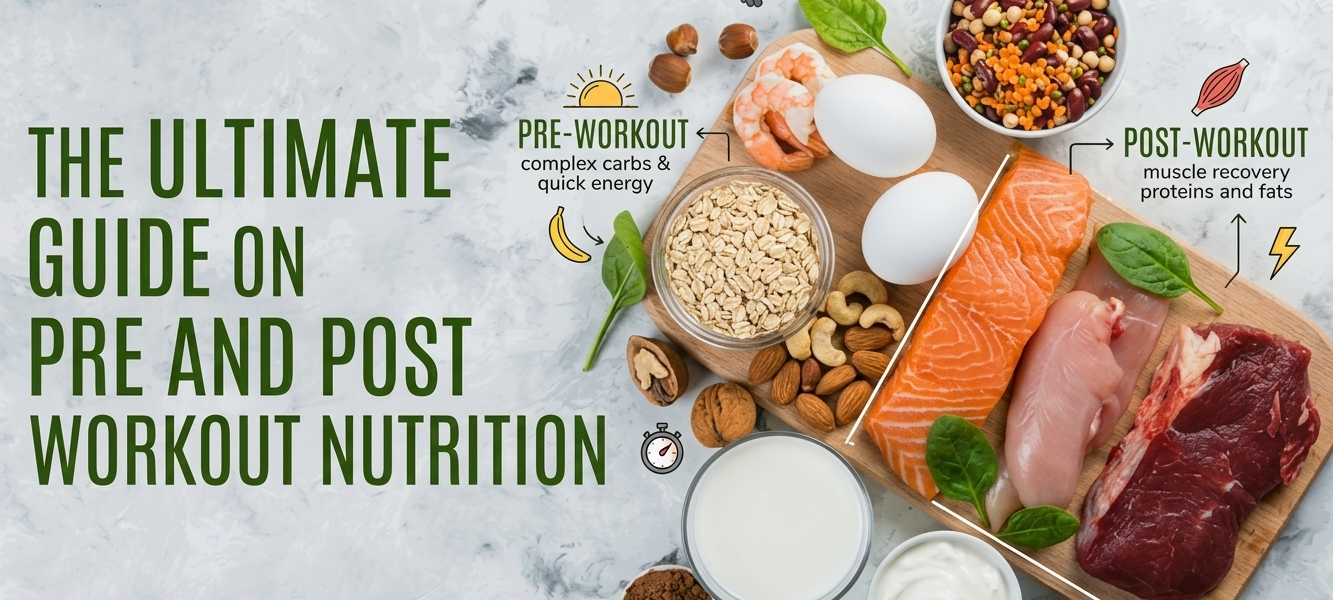

Health Fueling your body properly before and after exercise is essential for maximizing performance, accelerating recovery, and achieving your fitness goals. Whether you’re aiming to build muscle, improve endurance, or lose weight, understanding what to eat before and after a workout can make a significant difference.
In this guide, we’ll break down the best pre- and post-workout nutrition strategies for optimal Results.
Why Pre- and Post-Workout Nutrition Matters
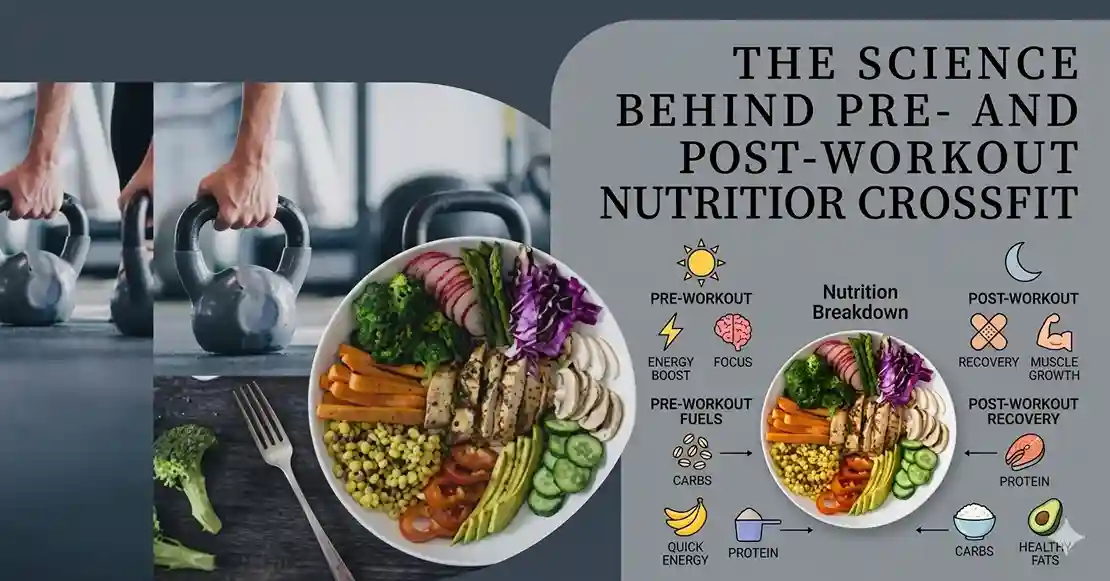
Your body relies on stored energy (glycogen) and nutrients to perform during exercise. After a workout, it shifts into recovery mode—repairing muscles, replenishing energy stores, and adapting to become stronger.
Eating at the right time helps:
- Boost energy levels
- Improve performance
- Support muscle growth
- Reduce fatigue and soreness
What to Eat Before a Workout
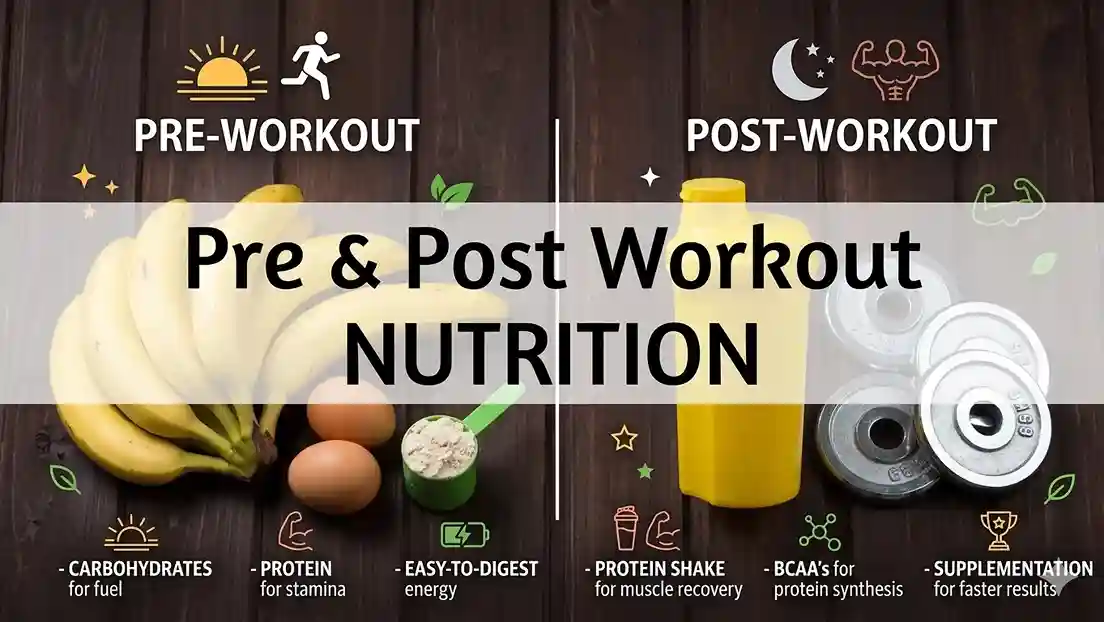
⏱️ Timing: 1–3 Hours Before Exercise
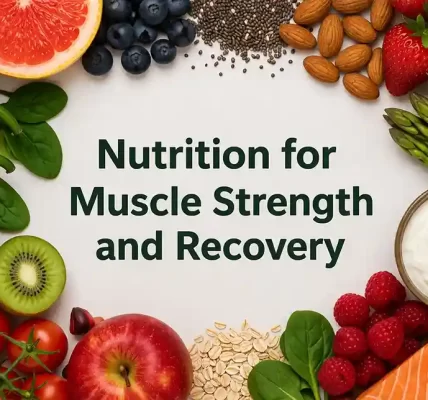
A pre-workout meal should provide sustained energy and prevent fatigue. Focus on a balance of carbohydrates, protein, and a small amount of healthy fats.
✅ Best Pre-Workout Nutrients
- Carbohydrates (Primary Energy Source)
Carbs fuel your muscles and improve endurance.
- Whole grain bread
- Brown rice
- Oats
- Fruits (bananas, apples, berries)
- Protein (Muscle Support)
Protein helps reduce muscle breakdown during exercise.
- Eggs
- Greek yogurt
- Lean chicken
- Plant-based proteins (beans, lentils)
- Healthy Fats (Optional in Small Amounts)
Provide longer-lasting energy.
- Avocado
- Nuts and seeds
🥗 Pre-Workout Meal Ideas
- Oatmeal with banana and peanut butter
- Whole grain toast with eggs
- Greek yogurt with berries
- Smoothie with fruit and protein
What to Eat After a Workout
⏱️ Timing: 30 Minutes to 3 Hours After Exercise
Post-workout nutrition is critical for muscle recovery and glycogen replenishment. While eating within 30–60 minutes is ideal, research shows benefits even if you eat a few hours later.
Key Nutrients for Recovery
💪 1. Protein (Muscle Repair & Growth)
Exercise causes small tears in muscle fibers. Protein helps repair and strengthen them.
Best sources:
- Chicken
- Fish (salmon, tuna)
- Eggs
- Lean beef
- Plant proteins (tofu, lentils, beans)
⚡ 2. Carbohydrates (Restore Energy)
Carbs replenish glycogen stores and improve recovery.
Best sources:
- Whole grains (rice, pasta, bread)
- Potatoes
- Fruits (banana, berries)
- Dairy products
🥑 3. Healthy Fats (Support Recovery)
Fats help reduce inflammation and keep you full.
Best sources:
- Avocado
- Nuts and seeds
- Healthy oils (olive, sunflower)
💧 4. Hydration & Electrolytes
During exercise, you lose fluids and electrolytes through sweat. Rehydration is crucial.
Hydrating foods and drinks:
- Water
- Coconut water
- Watermelon
- Cucumber
- Citrus fruits
Electrolyte-rich foods:
- Leafy greens
- Dairy products
- Nuts and seeds
Sample Post-Workout Meals
- Grilled chicken with brown rice and vegetables
- Salmon with sweet potatoes
- Protein smoothie with fruit
- Eggs with whole grain toast and avocado
Do You Really Need to Eat After a Workout?
While it’s not mandatory, eating after exercise is highly recommended. Skipping post-workout nutrition can lead to:
- Low blood sugar and fatigue
- Slower muscle recovery
- Increased muscle breakdown
- Overeating later in the day
Factors That Affect Your Nutrition Needs
🏃 Type of Workout
- Endurance training: Focus on carbs, hydration, and electrolytes
- Strength training: Prioritize protein for muscle repair
Maintaining a healthy lifestyle is essential for both physical and mental well-being. A balanced diet that includes fruits, vegetables, whole grains, and lean proteins provides the body with necessary nutrients to function properly. In addition, regular physical activity such as walking, jogging, or exercising at the gym helps improve cardiovascular health, strengthen muscles, and boost overall energy levels.
Equally important is getting enough sleep each night, as it allows the body to recover and the brain to function effectively. Stress management also plays a crucial role in maintaining good health. Activities like meditation, deep breathing, and spending time with loved ones can help reduce stress and improve mood.
Moreover, staying hydrated by drinking enough water throughout the day supports digestion and helps regulate body temperature. Avoiding harmful habits such as smoking, excessive alcohol consumption, and unhealthy eating patterns is also vital. Regular health check-ups can help detect potential problems early, ensuring timely treatment and better long-term health outcomes.
⚖️ Personal Goals
- Weight loss
- Muscle gain
- Maintenance