

Ever notice how stress makes you crave junk food or gain weight? You’re not imagining it.
Stress is often viewed as a mental or emotional issue, but its effects go far beyond your mind. In fact, chronic stress can significantly impact your body weight, making it harder to lose fat and easier to gain it—especially around the belly.
Let’s explore how stress leads to weight gain and what you can do to break the cycle.
🧠 How Stress Affects Your Body
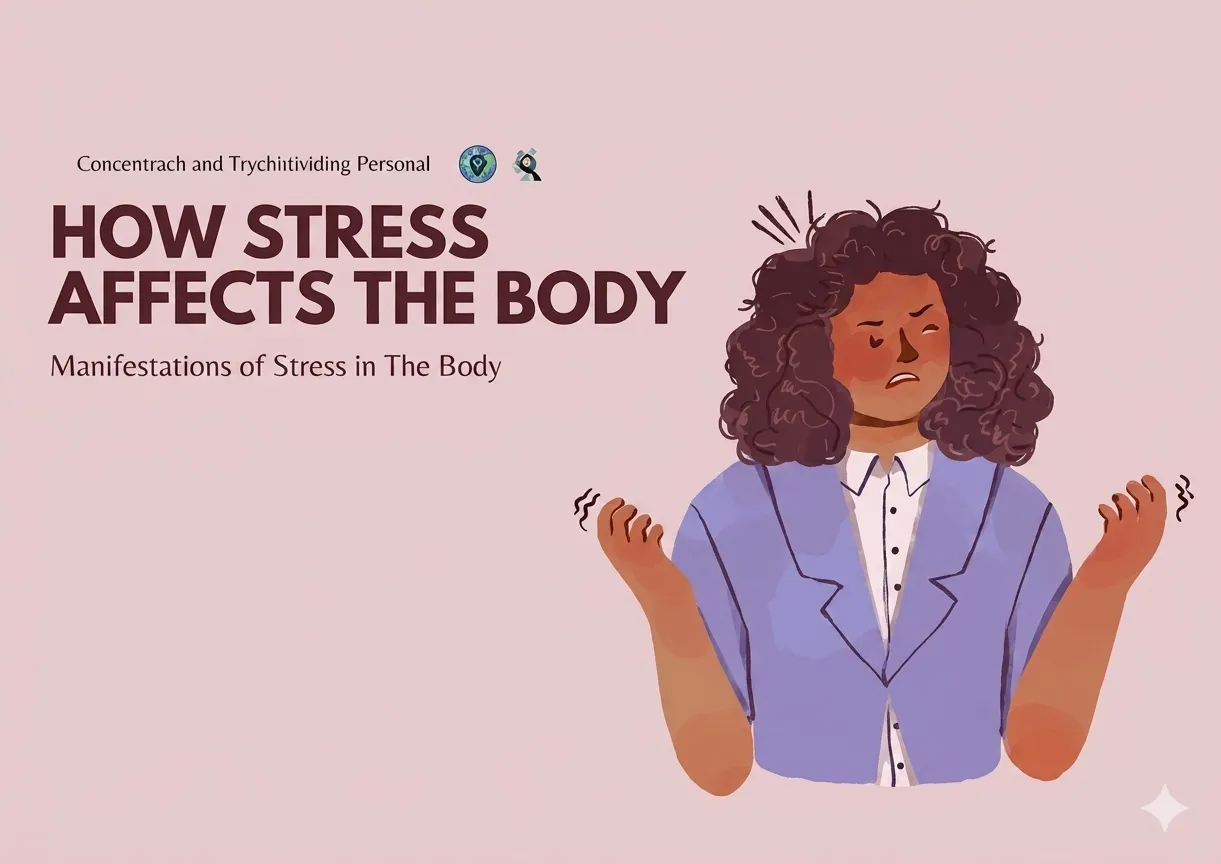
When you’re stressed, your body activates the “fight or flight” response. This triggers the release of hormones like cortisol and adrenaline.
- Adrenaline gives you a quick burst of energy
- Cortisol helps restore that energy after the stress passes
While this response is helpful in short-term situations, chronic stress keeps cortisol levels elevated, which can negatively affect your metabolism and eating habits.
⚖️ Why Stress Can Lead to Weight Gain

1. Increased Cortisol Slows Metabolism
High cortisol levels can slow down your metabolism, making it harder for your body to burn calories efficiently. Over time, this can lead to gradual weight gain.
2. Strong Cravings for Sugary and Fatty Foods
Stress often triggers cravings for “comfort foods” like sweets, fast food, and snacks.
Why? Because:
- Sugar provides quick energy
- Your body thinks it needs fuel to handle stress
Unfortunately, excess sugar is often stored as body fat, especially around the abdomen.
3. More Fat Storage—Especially Belly Fat
Cortisol encourages your body to store fat, particularly in the abdominal area. This type of fat is not only stubborn but also linked to higher health risks.
4. You Burn Fewer Calories
Research shows that stressed individuals may burn fewer calories after eating compared to those who are relaxed. Even a small daily difference can add up to noticeable weight gain over time.
🍔 Stress-Related Habits That Cause Weight Gain
Beyond hormones, stress also changes your behavior—often in unhealthy ways.
🍟 Emotional Eating
You may eat more than usual or snack frequently to cope with stress, even when you’re not truly hungry.
🚗 Choosing Unhealthy Convenience Foods
When you’re stressed, you’re more likely to grab quick, processed foods instead of preparing balanced meals.
🛋️ Reduced Physical Activity
Busy schedules and fatigue can push exercise to the bottom of your priority list.
⏱️ Skipping Meals
Ironically, some people skip meals when stressed, which can slow metabolism and lead to overeating later.
😴 Poor Sleep
Stress often disrupts sleep, and lack of sleep is linked to:
- Slower metabolism
- Increased hunger hormones
- Reduced willpower
🔄 The Stress–Weight Gain Cycle
Stress creates a vicious cycle:
- Stress increases cortisol
- Cortisol triggers cravings and fat storage
- You eat more unhealthy foods
- Weight increases
- More stress follows
Breaking this cycle is key to maintaining a healthy weight.
💡 How to Prevent Stress-Related Weight Gain
🏃♂️ 1. Make Exercise a Priority
Physical activity helps:
- Reduce stress hormones
- Boost mood
- Burn calories
Even a short daily walk can make a difference.
🥗 2. Choose Healthier Comfort Foods
You don’t have to give up comfort eating—just make smarter choices:
- Air-popped popcorn
- Fruits
- Nuts
These can satisfy cravings without excessive calories.
🧘♀️ 3. Practice Mindful Eating
Focus on your meals without distractions. This helps you:
- Recognize hunger and fullness
- Avoid overeating
- Reduce stress-related eating
📓 4. Keep a Food Journal
Tracking what you eat can increase awareness and help you make healthier decisions over time.
💧 5. Drink More Water
Thirst is often mistaken for hunger. Staying hydrated can prevent unnecessary snacking.
🌿 6. Manage Stress Daily
Incorporate simple stress-relief habits into your routine:
- Deep breathing
- Meditation or yoga
- Listening to music
- Taking breaks or short walks
Lower stress = lower cortisol = better weight control.
📝 Final Thoughts
So, can stress cause weight gain?
👉 Yes—both directly and indirectly.
Through hormonal changes and unhealthy habits, stress can make it much harder to maintain a healthy weight.
The good news is that small lifestyle changes—like exercising regularly, eating mindfully, and managing stress—can help you take back control.
Your body responds to what you do daily. Reduce stress, build healthy habits, and you’ll not only feel better—but also support a healthier weight naturally.