
Introduction Sleep Right – Live Healthy: The Role of Sleep in Overall Health (2026 Guide)

Introduction
In today’s fast-paced digital world, people often sacrifice sleep to keep up with work, social media, and daily responsibilities. However, sleep is not a luxury—it is a biological necessity. According to multiple health studies, quality sleep directly impacts physical health, mental well-being, and overall productivity.
Research shows that individuals who maintain healthy sleep habits experience better cognitive performance, stronger immunity, and lower risks of chronic diseases. This article explores the critical role of sleep in overall health and provides actionable strategies to improve sleep quality naturally.
What Is Healthy Sleep and Why Does It Matter?
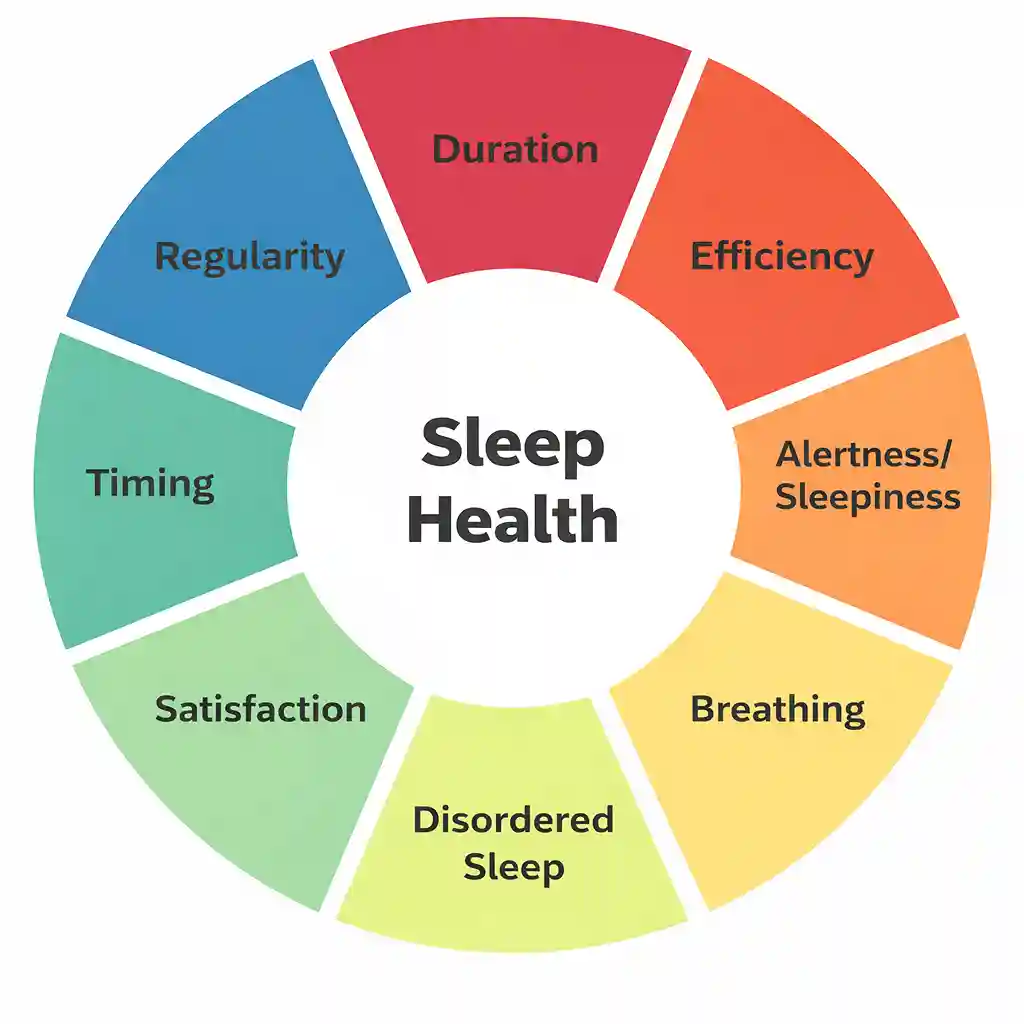
Healthy sleep refers to getting sufficient, uninterrupted rest that allows your body and mind to recover. Adults typically need 7–9 hours of sleep per night, though individual needs may vary.
Why Sleep Is Essential:
Restores energy and repairs body tissues
Supports brain function and memory consolidation
Regulates hormones and metabolism
Strengthens the immune system
Lack of sleep can lead to fatigue, reduced focus, and long-term health issues such as heart disease, obesity, and depression.
The Science Behind Sleep and Your Body
Sleep affects nearly every system in the body. It occurs in cycles, including REM (Rapid Eye Movement) and non-REM stages, each playing a unique role.
Key Functions of Sleep:
1. Brain Health
During sleep, the brain processes information, stores memories, and removes toxins. Poor sleep can impair decision-making and learning ability.
2. Physical Recovery
Sleep promotes muscle repair, tissue growth, and hormone release, especially growth hormone.
3. Emotional Balance
Sleep helps regulate mood. Sleep deprivation is strongly linked to anxiety, stress, and depression.
Health Benefits of Quality Sleep
1. Improved Mental Performance
Well-rested individuals have better concentration, creativity, and problem-solving skills.
2. Stronger Immune System
Sleep boosts the production of infection-fighting cells, helping your body resist illness.
3. Better Weight Management
Sleep regulates hunger hormones (ghrelin and leptin), reducing overeating and cravings.
4. Heart Health Protection
Adequate sleep lowers blood pressure and reduces the risk of cardiovascular diseases.
5. Enhanced Longevity
Consistent sleep patterns are associated with a longer and healthier life.
Common Sleep Problems and Their Causes
Many people struggle with sleep without realizing the root causes.
Common Issues:
Insomnia (difficulty falling or staying asleep)
Sleep apnea (breathing interruptions)
Restless sleep or frequent waking
Main Causes:
Excessive screen time before bed
Stress and anxiety
Irregular sleep schedules
Poor diet and caffeine intake
Practical Tips to Improve Sleep Quality
Improving sleep doesn’t require complicated solutions. Small lifestyle changes can make a big difference.
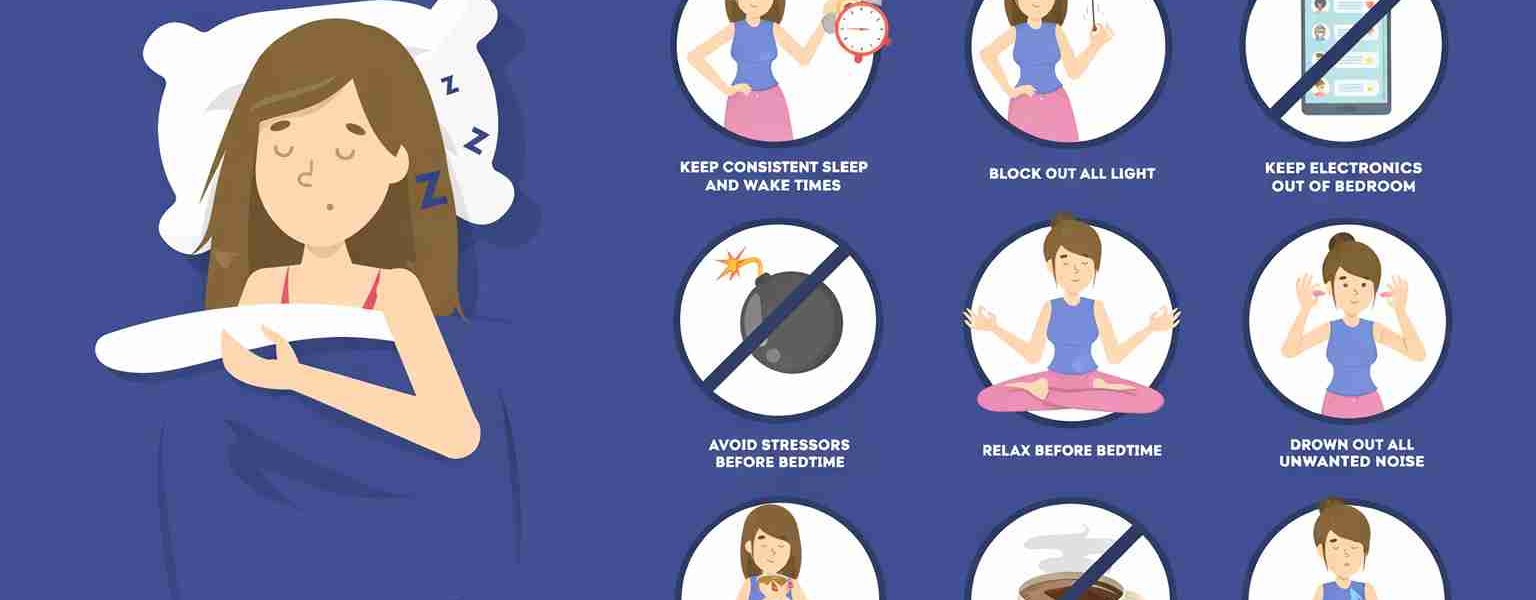
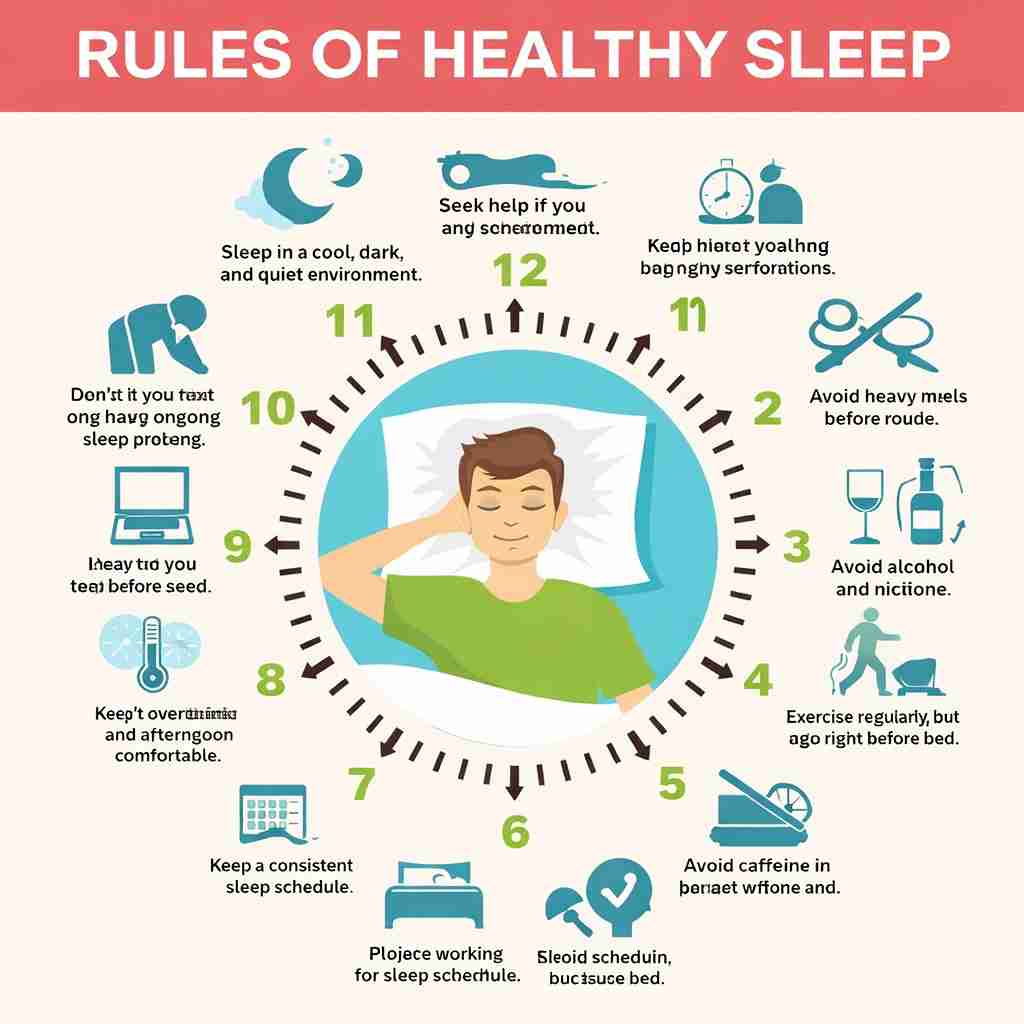
1. Maintain a Consistent Sleep Schedule
Go to bed and wake up at the same time every day—even on weekends.
2. Create a Sleep-Friendly Environment
Keep your bedroom cool, dark, and quiet
Use comfortable bedding
Limit noise and light exposure
3. Reduce Screen Time Before Bed
Avoid phones, laptops, and TVs at least 30–60 minutes before sleeping.
4. Watch Your Diet
Avoid caffeine after 2 PM
Limit heavy meals before bedtime
Stay hydrated but reduce late-night drinking
5. Practice Relaxation Techniques
Meditation, deep breathing, or reading can help calm your mind before sleep.
The Connection Between Sleep and Digital Lifestyle
In the digital age, technology plays a major role in sleep disruption. Blue light from screens interferes with melatonin production—the hormone responsible for sleep.
How to Manage It:
Use blue light filters on devices
Set “digital curfews” at night
Prioritize offline activities before bed
Frequently Asked Questions (FAQ)
How many hours of sleep do I really need?
Most adults need 7–9 hours, but quality matters as much as quantity.
Can I “catch up” on lost sleep?
Short-term recovery is possible, but chronic sleep deprivation cannot be fully reversed.
Is napping good or bad?
Short naps (20–30 minutes) can boost energy, but long naps may disrupt nighttime sleep.
Conclusion
Sleep is one of the most powerful yet underrated pillars of health. It influences everything from brain function to physical performance and emotional stability. In a world driven by productivity and constant connectivity, prioritizing sleep is no longer optional—it is essential.
By building healthy sleep habits and understanding its importance, you can significantly improve your quality of life.