

Introduction
In today’s fast-paced world, chronic diseases such as cardiovascular conditions, cancer, diabetes, and respiratory illnesses are rising at an alarming rate. These noncommunicable diseases (NCDs) account for the majority of global deaths and are strongly linked to lifestyle choices.
Adopting a healthy lifestyle is one of the most effective and affordable ways to prevent these diseases. From balanced nutrition to regular physical activity, small daily habits can significantly improve long-term health outcomes.
What Is a Healthy Lifestyle?
A healthy lifestyle involves conscious choices that promote overall well-being. Key components include:
Balanced and nutritious diet
Regular physical activity
Adequate sleep
Stress management
Avoiding tobacco and limiting alcohol
Together, these habits help maintain a healthy body weight and reduce the risk of chronic diseases.
Why Healthy Living Matters for Disease Prevention

Unhealthy diets and sedentary lifestyles are major contributors to obesity, which is a key risk factor for many NCDs. Diets high in sugar, salt, and unhealthy fats—combined with low physical activity—have led to a global health crisis.
Key Benefits of a Healthy Lifestyle:
Reduces risk of heart disease and stroke
Prevents type 2 diabetes
Lowers cancer risk
Improves respiratory health
Enhances mental well-being
Healthy living is not just about avoiding illness—it’s about improving quality of life.
The Role of Nutrition in Preventing Chronic Diseases
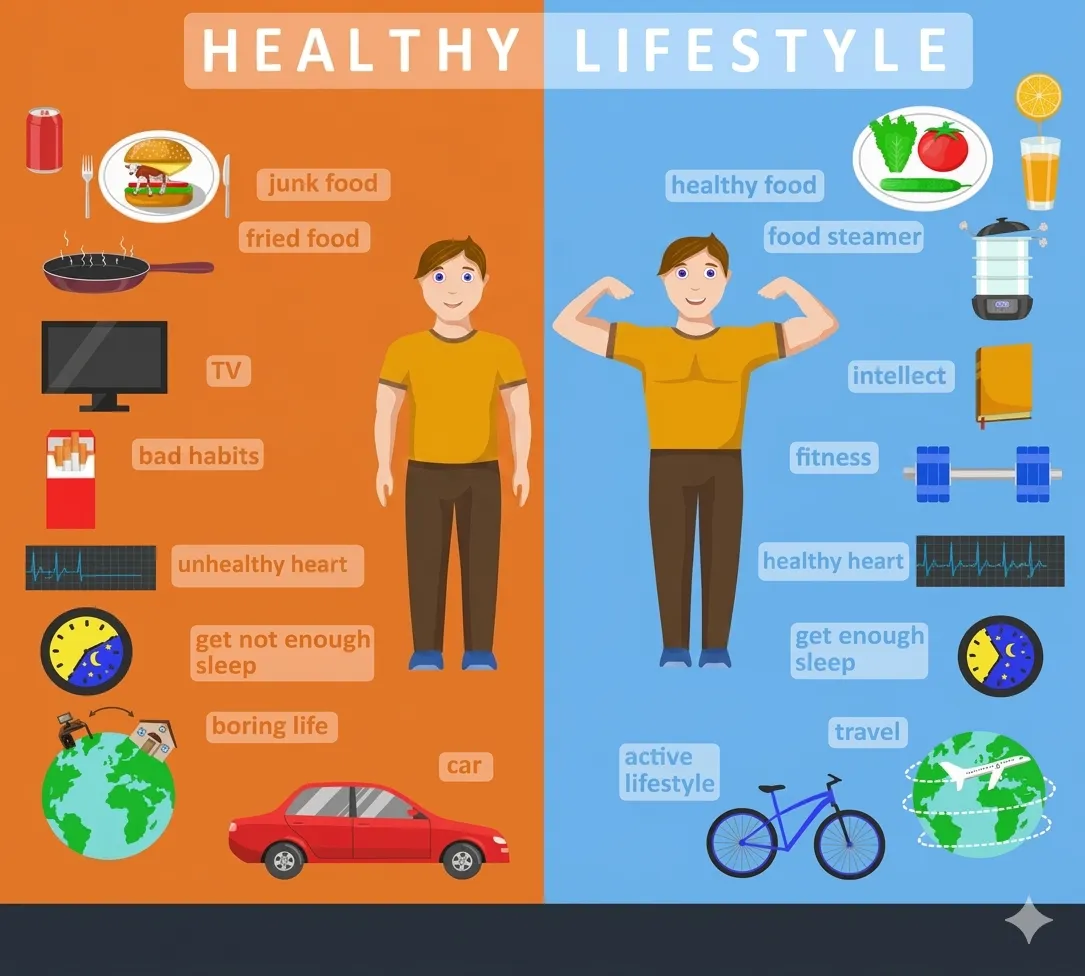
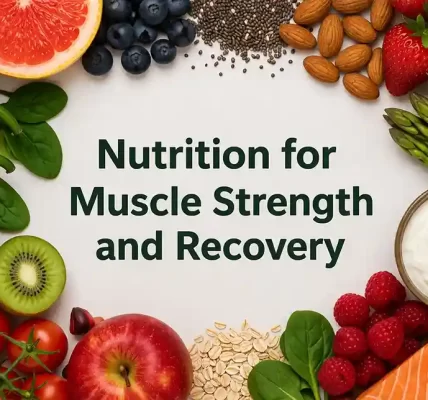
A well-balanced diet is essential for maintaining good health and preventing disease.
Healthy Eating Guidelines
Eat more fruits, vegetables, and whole grains
Limit sugar intake to less than 10% of daily calories
Reduce salt consumption (ideally under 5g/day)
Choose healthy fats over saturated and trans fats
Include protein from both plant and animal sources
Poor nutrition—whether overeating or nutrient deficiency—can lead to obesity, malnutrition, and increased disease risk.
Physical Activity: A Powerful Preventive Tool
Regular exercise plays a crucial role in maintaining a healthy body and preventing disease.
Benefits of Exercise
Helps control weight
Improves heart health
Boosts metabolism
Reduces stress and anxiety
Experts recommend at least 150 minutes of moderate-intensity exercise per week for adults.
Healthy Lifestyle Across the Life Course
Health is influenced by lifestyle choices at every stage of life—from before birth to old age.
Key Life Stages to Focus On
Preconception & Pregnancy: Proper nutrition supports healthy development
Infancy & Childhood: Breastfeeding and balanced diets build strong foundations
Adolescence & Adulthood: Active living and healthy habits reduce long-term risks
Older Age: Maintaining activity and nutrition prevents disease progression
Early intervention leads to better health outcomes later in life.
Global Health Perspective: Why It Matters
The burden of chronic diseases is especially high in low- and middle-income countries. Limited access to healthcare makes prevention even more critical.
The Sustainable Development Goals (SDG 3.4) aim to reduce premature deaths from NCDs by one-third through prevention and treatment. Promoting healthy lifestyles plays a vital role in achieving this target.
The Impact of Modern Lifestyle Changes
Urbanization and globalization have transformed how people eat and live:
Increased consumption of processed foods
Higher intake of sugar and unhealthy fats
Reduced physical activity
Increased stress levels
These changes have contributed significantly to rising obesity and chronic disease rates worldwide.
How to Start Living a Healthier Life
Making lifestyle changes doesn’t have to be overwhelming. Start small and stay consistent.
Simple Tips for a Healthier Lifestyle
Cook more meals at home
Stay physically active daily
Drink plenty of water
Get 7–8 hours of sleep
Practice stress-relief techniques like meditation
Avoid smoking and limit alcohol
Consistency is key—small changes lead to big results over time.
The Role of Society and Government
While individuals must take responsibility for their health, governments and organizations also play a crucial role by:
Promoting health education
Regulating unhealthy food products
Encouraging physical activity through infrastructure
Supporting public health campaigns
Collaboration between individuals, communities, and policymakers is essential for lasting change.
Conclusion
A healthy lifestyle is the foundation of disease prevention. By adopting balanced nutrition, staying active, and making mindful choices, individuals can significantly reduce their risk of chronic diseases.
In a world facing rising health challenges, prevention is not just better than cure—it is essential. Start today, and invest in a healthier future for yourself and the next generation.
SEO Keywords (for your use)
Healthy lifestyle
Disease prevention
Chronic disease preventionHealthy diet and exercise
Prevent noncommunicable diseases
Benefits of healthy living