


In today’s hyper-connected world, technology is no longer just a tool—it’s a constant presence shaping how we think, work, and live. From smartphones and AI assistants to social platforms and smart devices, our daily routines are deeply intertwined with digital systems. While this brings convenience and efficiency, it also creates new challenges for maintaining mental, physical, and emotional well-being.
Building a healthy lifestyle in the digital age is not about avoiding technology—it’s about using it intentionally. This guide explores how to create a balanced, sustainable relationship with technology that enhances your life instead of controlling it.
Understanding the Psychology of Digital Overuse
Modern digital platforms are intentionally designed to capture attention. Features like endless scrolling, push notifications, and instant feedback loops trigger dopamine release in the brain—encouraging repeated use.
Over time, this can lead to:
Reduced attention span
Habitual device checking
Emotional dependence on online validation
Recognizing that these systems are engineered this way helps shift the narrative. It’s not about lack of discipline—it’s about awareness. Once you understand the mechanics, you can start making more conscious choices.
Digital Awareness: A Must-Have Life Skill
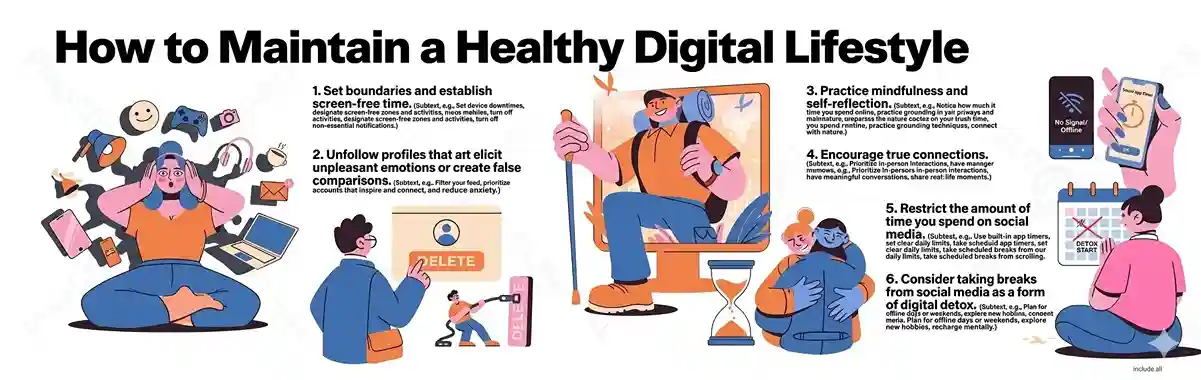
Digital awareness means understanding how technology impacts your thoughts, emotions, and behavior. Many people turn to screens when they feel stressed, bored, or lonely—often without realizing it.
To build awareness:
Pause before opening apps
Identify emotional triggers
Replace mindless scrolling with healthier alternatives (walking, journaling, resting)
In the future, true digital literacy won’t just mean knowing how to use technology—but knowing when to step away.
Designing a Healthy Digital Environment
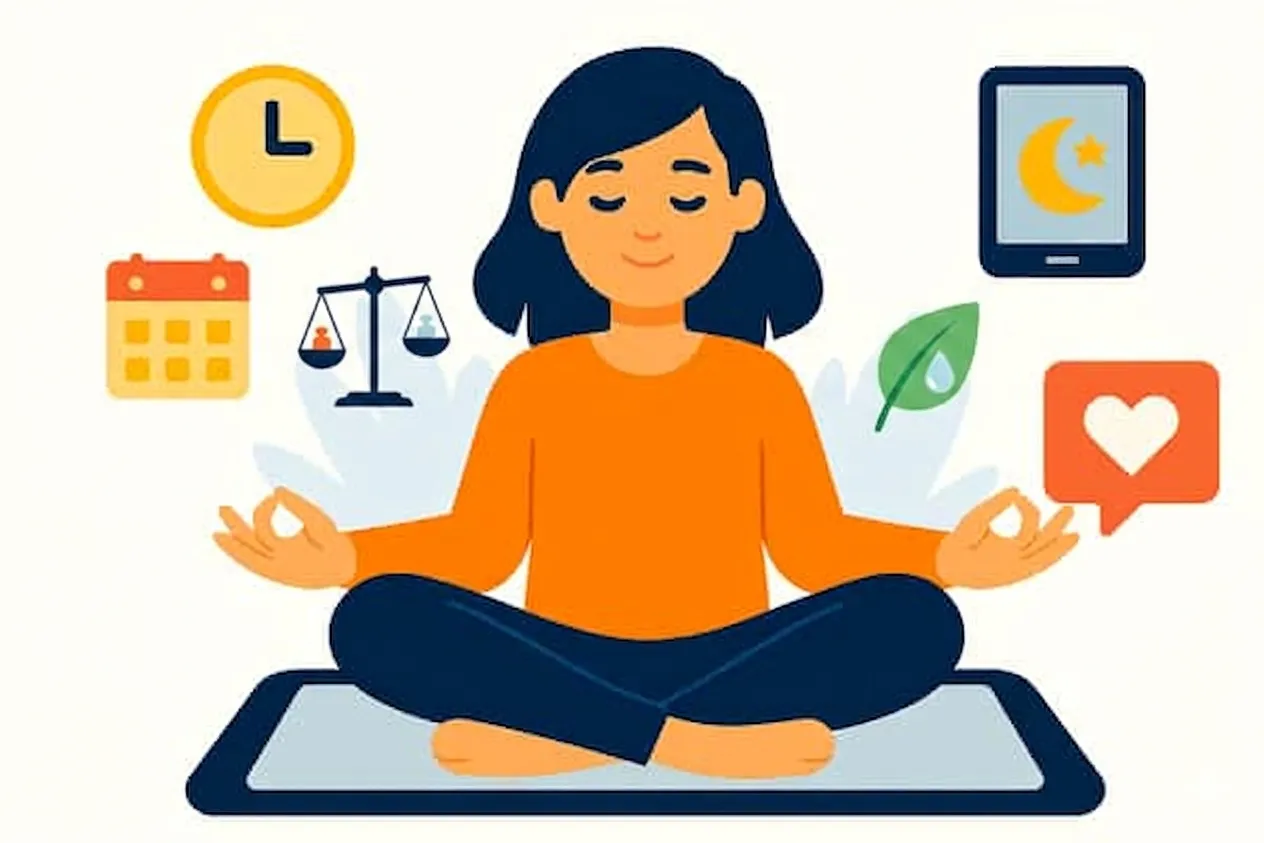
Your digital space directly influences your habits. A cluttered phone or laptop can increase stress and mental fatigue.
Create a healthier digital environment by:
Removing unnecessary apps
Organizing files and notifications
Reducing visual clutter
A clean, intentional digital space leads to a calmer, more focused mind. As immersive technologies evolve, this will become even more important.
Mastering Deep Focus in a Distracted World
Constant multitasking may feel productive, but it actually reduces efficiency and increases mental exhaustion.
Deep focus allows you to:
Work more effectively
Improve creativity
Solve complex problems
To improve focus:
Turn off non-essential notifications
Set dedicated work periods
Avoid switching between tasks
In a future driven by complex thinking, the ability to focus deeply will be a major advantage.
Setting Digital Boundaries
Without clear limits, digital life can invade every aspect of your day. Work messages, social media, and online content can blur the line between personal and professional life.
Healthy boundaries include:
Separating work and personal devices or accounts
Avoiding screens before bedtime
Limiting exposure to comparison-driven content
Most importantly, remember: your online identity is only a small part of who you are.
Protecting Sleep and Biological Rhythms
Technology has a significant impact on sleep quality. Blue light, late-night scrolling, and constant stimulation can disrupt your natural sleep cycle.
Improve your sleep by:
Avoiding screens 1–2 hours before bed
Creating a device-free sleeping environment
Establishing a consistent sleep routine
Better sleep leads to improved mood, memory, and overall health.
Supporting Physical Health in a Digital World
Long hours in front of screens can affect posture, eyesight, and energy levels.
Protect your physical health by:
Taking regular breaks (e.g., 20-20-20 rule for eyes)
Maintaining proper posture
Incorporing movement into your daily routine
Balancing digital work with physical activity is essential for long-term well-being.
Emotional Well-Being and Digital Interaction
While technology connects people globally, it can also create feelings of isolation when interactions lack depth.
To maintain emotional health:
Prioritize meaningful conversations
Limit passive content consumption
Use technology to strengthen real relationships
Quality always matters more than quantity when it comes to connection.
Using AI and Smart Technology Wisely
AI and smart tools can significantly improve productivity and reduce mental load—but only when used intentionally.
Healthy usage means:
Using tools for organization and learning
Avoiding over-dependence
Maintaining personal decision-making
The goal is collaboration with technology—not reliance on it.
Building a Strong Offline Life
A fulfilling offline life is the foundation of healthy digital habits.
Focus on:
Physical activity
Creative hobbies
Social interactions
Time in nature
When your offline life is meaningful, you naturally use technology with more intention and less dependency.
Preparing for the Future of Digital Living
As technology continues to evolve—through AI, virtual environments, and wearable devices—digital immersion will only increase.
To stay balanced:
Develop self-awareness
Set clear boundaries
Practice intentional usage
A healthy digital lifestyle is not static—it evolves with both technology and personal growth.
Conclusion
In a world where attention is constantly being pulled in every direction, building a healthy digital lifestyle is an act of self-respect. By creating awareness, setting boundaries, and prioritizing balance, you can harness the benefits of technology while staying grounded in your health, values, and identity.
Frequently Asked Questions (FAQs)
- What is a healthy digital lifestyle?
It means using technology intentionally to support your mental, physical, and emotional well-being—not letting it control your behavior. - How much screen time is healthy?
There’s no fixed number. It depends on how technology affects your focus, sleep, and mood—not just how long you use it. - Can too much screen time affect mental health?
Yes. It can lead to anxiety, poor sleep, reduced attention span, and emotional fatigue. - Is a digital detox necessary?
Short-term detoxes can help, but long-term success comes from building sustainable habits and boundaries. - How can I improve focus?
Reduce distractions, avoid multitasking, and create uninterrupted work sessions. - Can technology support a healthy lifestyle?
Absolutely—if used mindfully. Tools like planners, trackers, and AI assistants can enhance productivity and well-being. - What’s the most important habit for digital health?
Awareness. Understanding how technology affects you is the first step to using it wisely.