
Introduction
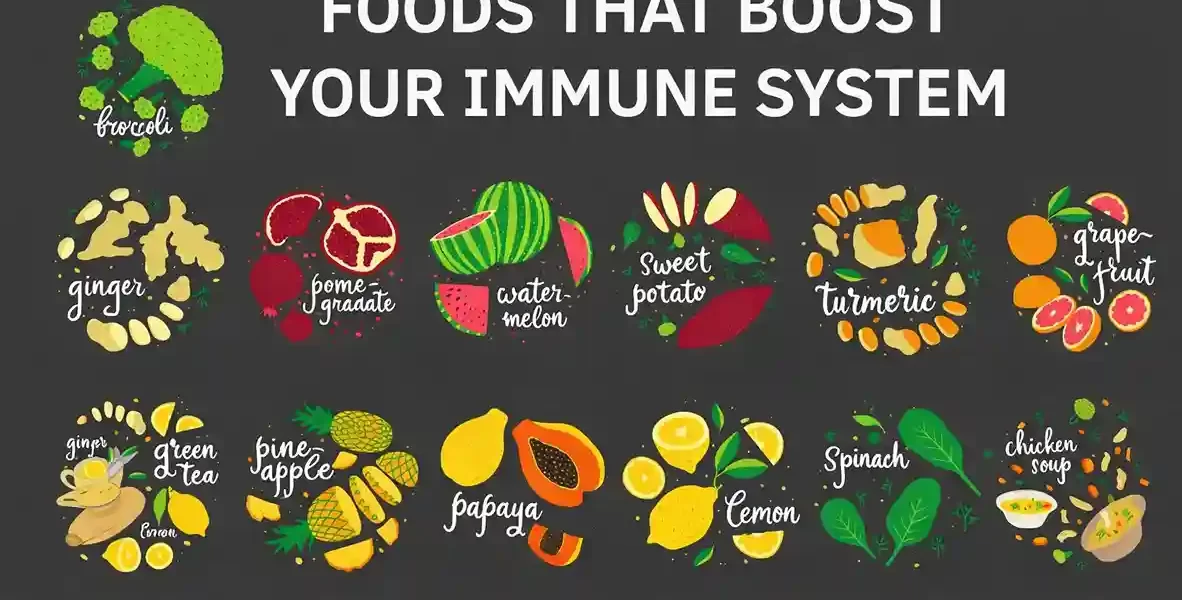
Your health is one of your most valuable assets, and maintaining a strong immune system is essential for overall well-being. Many people search for foods, supplements, and diet plans that can “boost” immunity. However, the truth is more nuanced. Rather than boosting your immune system beyond its natural capacity, the goal of proper nutrition is to support and maintain a well-functioning immune system.
In this article, we’ll explore how balanced nutrition plays a key role in natural immunity, which nutrients matter most, and how you can incorporate them into your daily diet.
Can You Really Boost Your Immune System?
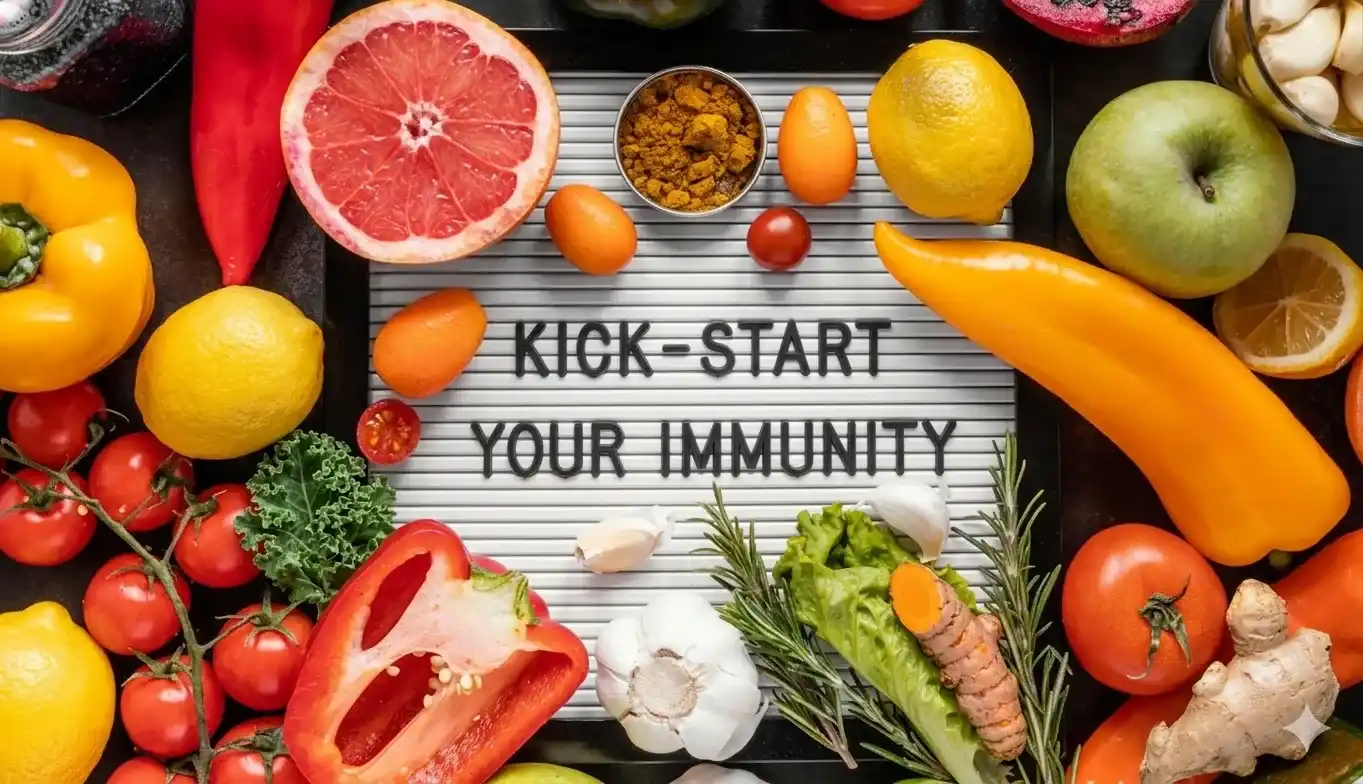
The idea of “boosting” immunity is somewhat misleading. A healthy immune system doesn’t need to be overstimulated—it needs to be balanced and functioning properly. Poor nutrition, especially deficiencies in essential vitamins and minerals, can weaken immune defenses and make the body more vulnerable to infections.
It’s also important to understand that immunity is influenced by multiple factors, including:
- Sleep quality
- Stress levels
- Age
- Existing health conditions
No single food or nutrient can prevent illness entirely, but a well-rounded diet can significantly support your body’s natural defense system.
Essential Nutrients for Immune Health
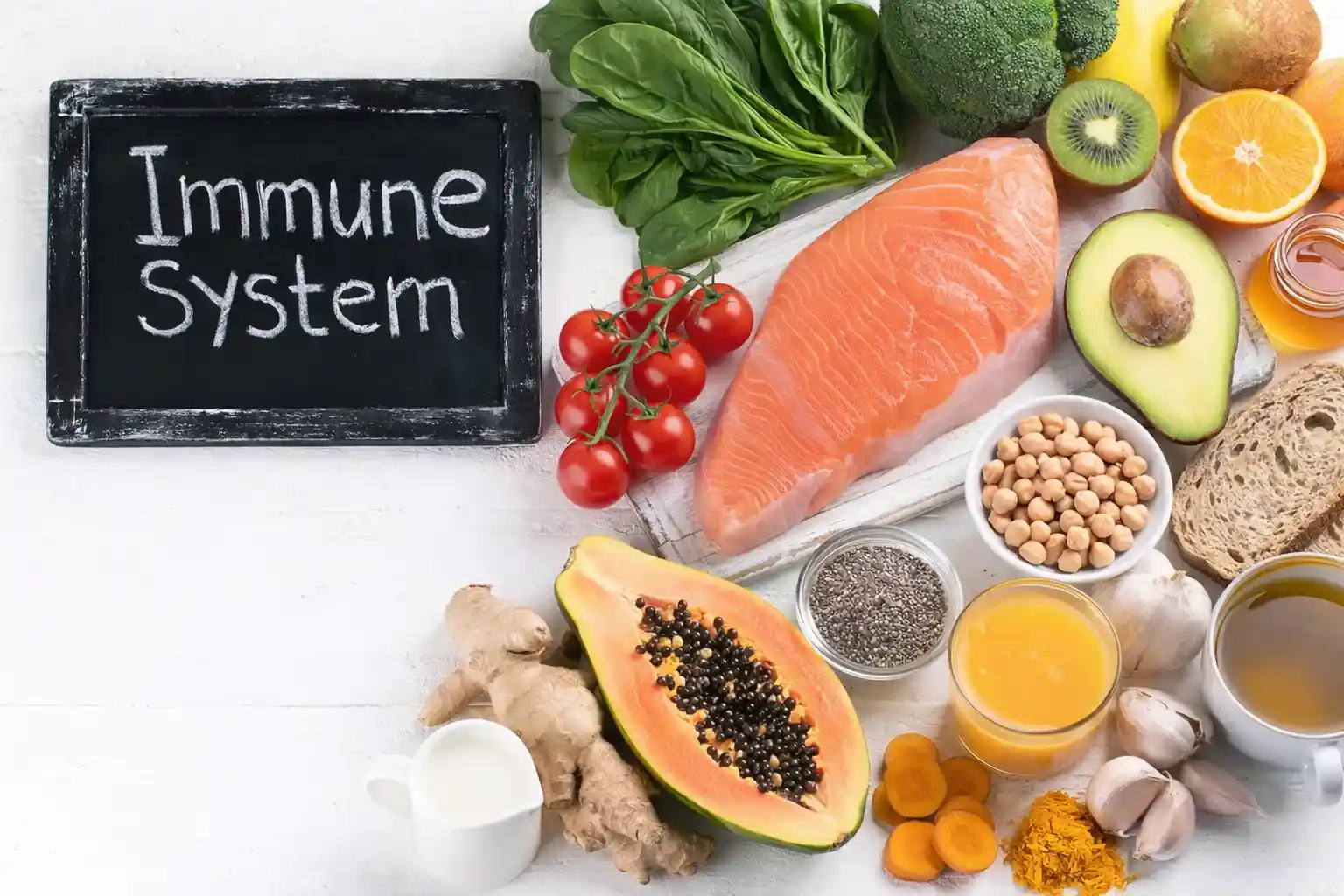
1. Iron
Iron plays a critical role in immune cell function.
Food sources: Red meat, beans, nuts, and fortified cereals.
2. Vitamin A
Vitamin A helps maintain healthy skin and tissues, acting as a barrier against infections.
Food sources: Carrots, apricots, bell peppers, and other orange or red fruits and vegetables.
3. Vitamin C
Vitamin C supports the production of antibodies and white blood cells.
Food sources: Oranges, grapefruit, strawberries, and tomatoes.
4. Vitamin D
Vitamin D helps regulate antimicrobial proteins that fight pathogens.
Food sources: Sunlight exposure, salmon, egg yolks, and fortified dairy products.
5. Vitamin E
Vitamin E acts as an antioxidant, protecting cells from damage.
Food sources: Nuts, seeds, vegetable oils, and peanut butter.
6. Zinc
Zinc supports wound healing and immune response.
Food sources: Meat, whole grains, milk, seeds, and nuts.
Should You Take Supplements?
While supplements can be helpful in certain situations, it’s always best to get nutrients from whole foods. Foods provide a combination of vitamins, minerals, fiber, and antioxidants that supplements cannot fully replicate.
However, some groups may benefit from supplementation, including:
- Pregnant individuals
- Older adults
- People with limited diets or medical conditions
If needed, a general multivitamin providing up to 100% of your daily recommended intake is typically safe. Always consult a healthcare professional before starting any supplement, and avoid excessive doses, which may be harmful.
Healthy Recipes to Support Immunity
Grilled Cod with Citrus Salad
This refreshing dish is packed with protein, vitamins, and antioxidants.
Key ingredients:
- Cod
- Spinach, carrots, celery
- Citrus fruits (lemon, lime, orange, grapefruit)
- Fresh herbs
Benefits: High in protein, fiber, and immune-supporting vitamins like C and A.
Roasted Red Pepper Hummus
A nutritious and delicious snack rich in plant-based nutrients.
Key ingredients:
- Chickpeas
- Roasted red peppers
- Sesame seeds
- Olive oil and spices
Benefits: Provides fiber, healthy fats, and essential minerals like zinc.
Final Thoughts
Balanced nutrition is the foundation of a healthy immune system. While no diet can guarantee protection against illness, eating a variety of nutrient-rich foods helps your body function at its best.
Focus on:
- Whole, minimally processed foods
- A variety of fruits and vegetables
- Adequate protein intake
- Healthy fats and whole grains
By making smart dietary choices and maintaining a healthy lifestyle, you can naturally support your immune system and improve your overall health.
Keywords for SEO: balanced nutrition, immune system support, natural immunity, healthy diet, vitamins for immunity, immune-boosting foods