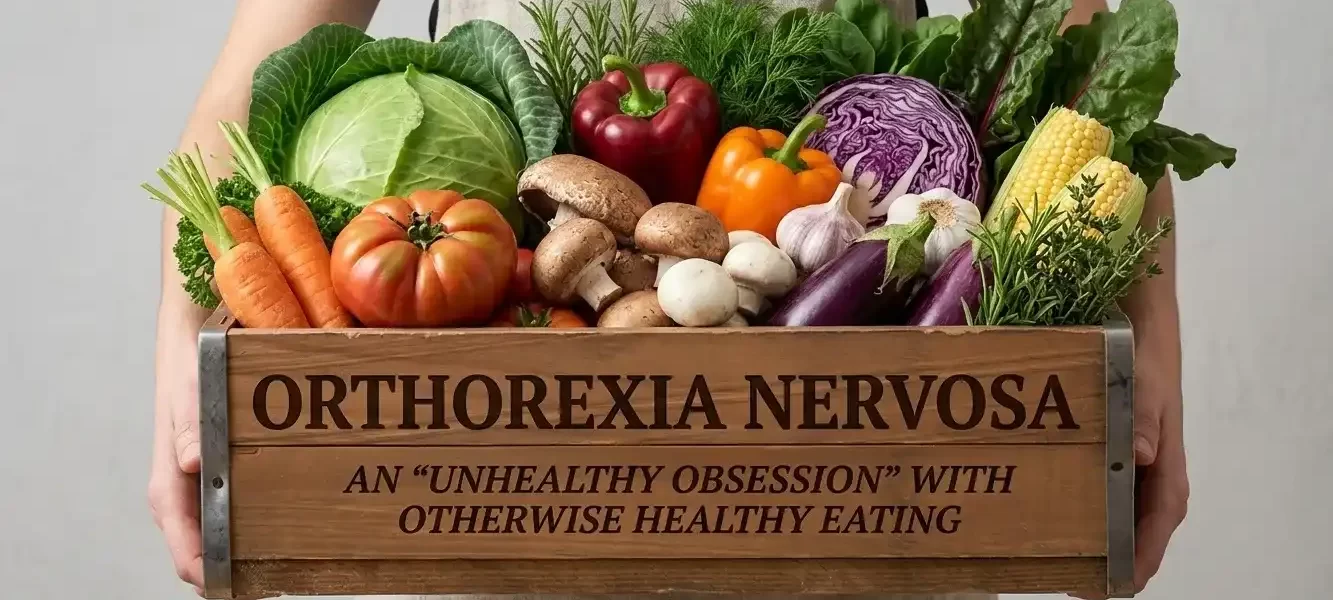

In the pursuit of a healthier lifestyle, many people focus on eating “clean,” avoiding processed foods, and carefully selecting ingredients. While these habits are generally beneficial, there’s a hidden risk: becoming too obsessed with eating “correctly.”
Surprisingly, this extreme focus can lead to physical health issues, emotional stress, and even strained relationships. In some cases, it may signal a lesser-known condition called orthorexia.
What Is Orthorexia?
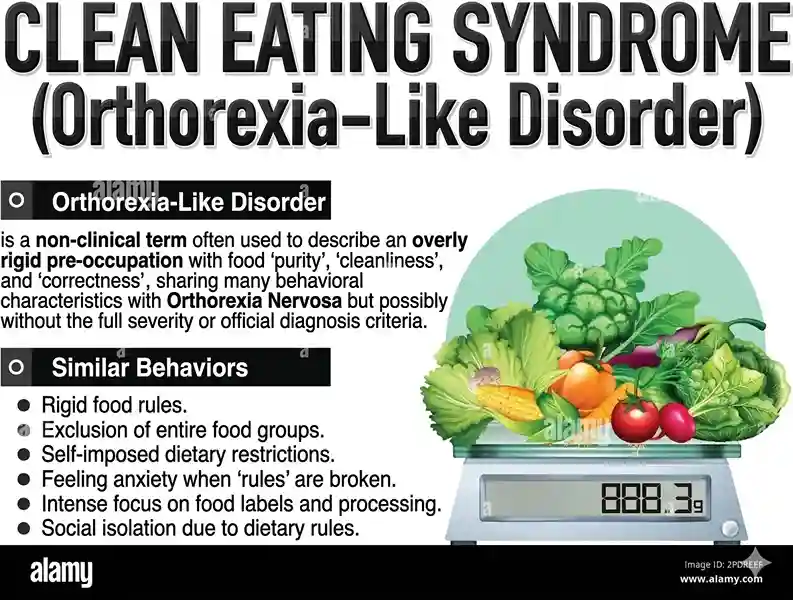
Orthorexia is a term used to describe an unhealthy obsession with eating only “pure” or “healthy” foods. Unlike other eating disorders that focus on quantity, orthorexia centers on food quality and strict dietary rules.
Although not officially classified as a standalone disorder, it is recognized within broader eating disorder categories and can significantly impact both physical and mental health.
When Healthy Eating Becomes Harmful
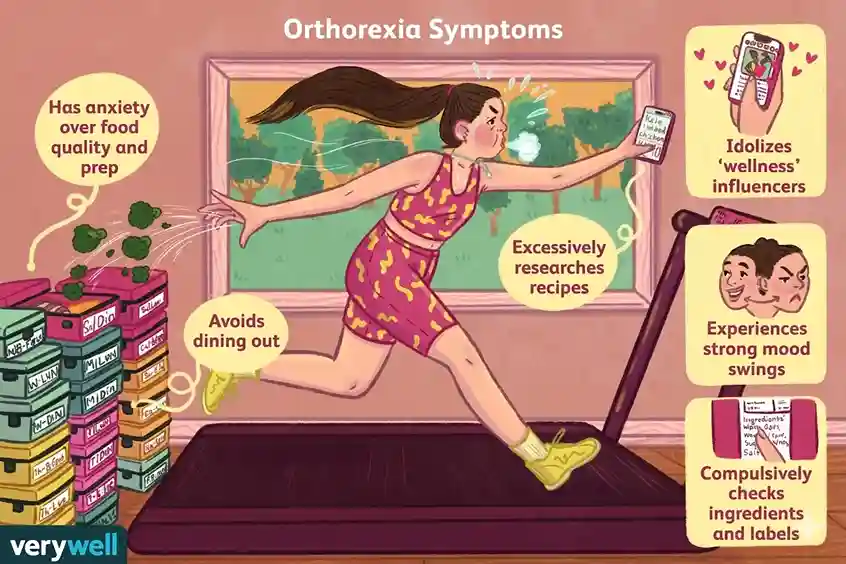
At first glance, prioritizing nutrition seems like a positive habit. However, problems arise when flexibility disappears and food choices become rigid and stressful.
For example, some individuals may:
- Avoid entire food groups unnecessarily
- Spend excessive time analyzing ingredients
- Feel anxious when “safe” foods aren’t available
- Struggle to eat in social settings
What starts as a desire to improve health can gradually turn into a restrictive and overwhelming lifestyle.
Common “Silent” Signs You Might Be Eating Incorrectly
Orthorexia often develops subtly, making it difficult to recognize. Here are some warning signs:
1. Extreme Food Restrictions
Eliminating multiple food groups such as carbohydrates, dairy, or fats without medical necessity.
2. Obsessive Label Checking
Constantly reading nutrition labels and ingredient lists before eating anything.
3. Anxiety Around Food Choices
Feeling stressed or guilty when eating foods that don’t meet strict standards.
4. Overplanning Meals
Spending excessive time thinking about or organizing meals in advance.
5. Social Isolation
Avoiding social events or dining out due to fear of “unhealthy” food options.
Even mild forms of these behaviors can indicate a deeper issue if they persist over time.
The Hidden Causes Behind Orthorexia
There isn’t a single cause, but several psychological and social factors may contribute:
- Perfectionism: A desire to follow strict rules and achieve “ideal” health
- Need for control: Using food choices to manage uncertainty or stress
- Influence of social media: Constant exposure to “perfect” diets and wellness trends
- Pre-existing conditions: Overlap with disorders like obsessive-compulsive tendencies
In some cases, individuals may feel proud of their discipline, making the condition even harder to identify.
Health Risks You Shouldn’t Ignore
Ironically, trying too hard to eat healthy can backfire. Orthorexia may lead to:
- Nutritional deficiencies
- Unintended weight loss
- Increased anxiety and stress
- Strained personal relationships
Over time, these effects can significantly reduce quality of life.
How to Build a Balanced Relationship with Food
The goal isn’t to abandon healthy eating—but to approach it with balance and flexibility.
1. Embrace Variety
Include a wide range of foods to ensure proper nutrition.
2. Let Go of Perfection
No diet needs to be 100% “clean” to be effective.
3. Focus on Overall Patterns
What you eat consistently matters more than occasional indulgences.
4. Limit Overexposure to Diet Trends
Be mindful of unrealistic standards promoted online.
5. Seek Professional Guidance
If food-related stress is affecting your life, consult a qualified healthcare provider or nutrition expert.
Treatment and Support Options
Because orthorexia is complex, treatment often involves multiple approaches:
- Cognitive Behavioral Therapy (CBT): Helps address unhealthy thought patterns
- Mindfulness techniques: Reduce anxiety around food and eating
- Nutritional counseling: Corrects misconceptions and promotes balanced eating
- Medical support: In severe cases, professional intervention may be necessary
Early awareness and support can make a significant difference.
The Bigger Picture: Health Is More Than Food
True wellness isn’t just about what you eat—it’s about how you think, feel, and live. A healthy lifestyle should enhance your life, not control it.
If your eating habits are causing stress, limiting your social life, or making you anxious, it may be time to reassess your approach.
Final Thoughts
Eating healthy is important—but obsessing over it can quietly harm your wellbeing. By recognizing the signs of orthorexia and adopting a more balanced mindset, you can protect both your physical and mental health.
Remember: The healthiest diet is one that nourishes your body without restricting your life.