
Health In recent years, vegetarian diets have gained immense popularity as more people seek healthier lifestyles and sustainable eating habits. But is a vegetarian diet truly beneficial for your health? In this article, we’ll explore the science behind plant-based nutrition, its impact on brain health, and whether going vegetarian is the right choice for you.
What Is a Vegetarian Diet?
A vegetarian diet primarily focuses on plant-based foods such as fruits, vegetables, whole grains, legumes, nuts, and seeds. Depending on the type, some vegetarians may also include dairy products and eggs (lacto-ovo vegetarian), while others avoid all animal-derived foods (vegan).
This dietary pattern is often associated with improved overall health, but its effectiveness depends on proper nutrient balance.
Key Benefits of a Vegetarian Diet

1. Rich in Brain-Boosting Nutrients
Plant-based diets are packed with antioxidants, vitamins, and minerals that support brain health. Foods like berries, leafy greens, and nuts help combat oxidative stress and inflammation—two major contributors to cognitive decline.
For example:
- Blueberries contain anthocyanins that improve communication between brain cells.
- Broccoli is rich in vitamin K, essential for brain cell structure.
- Pumpkin seeds provide zinc and magnesium, crucial for memory and learning.
2. Supports Mental Health and Cognitive Function
Many plant-based foods contain compounds that enhance mood and mental performance:
- Dark chocolate (70% cocoa or higher) contains flavonoids that improve memory and mood.
- Green tea offers L-theanine, which promotes relaxation and focus.
- Vitamin C-rich fruits like oranges help protect brain cells from damage.
A well-planned vegetarian diet can reduce the risk of depression and support long-term brain function.
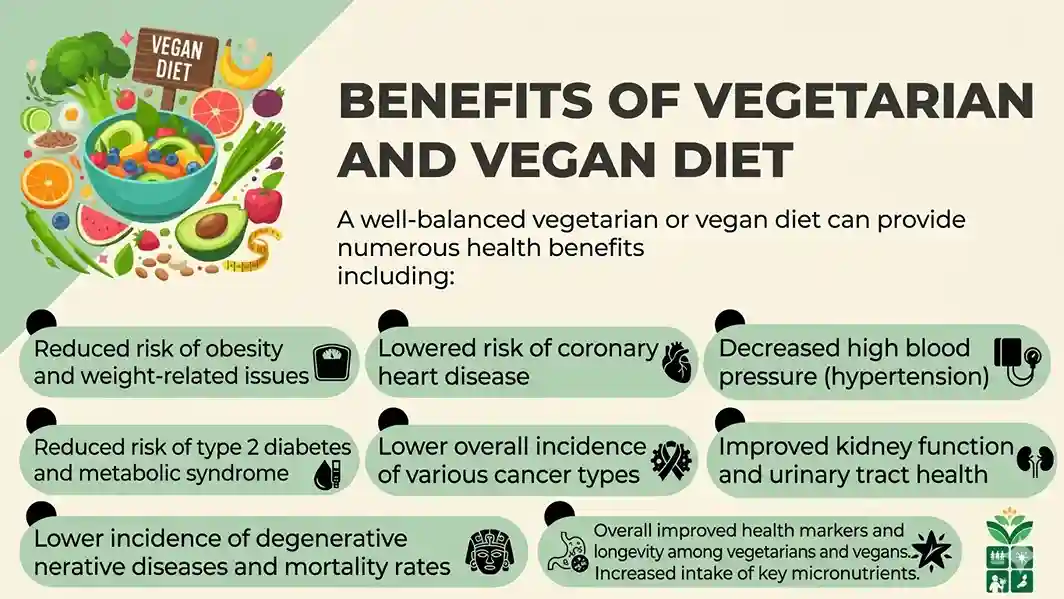
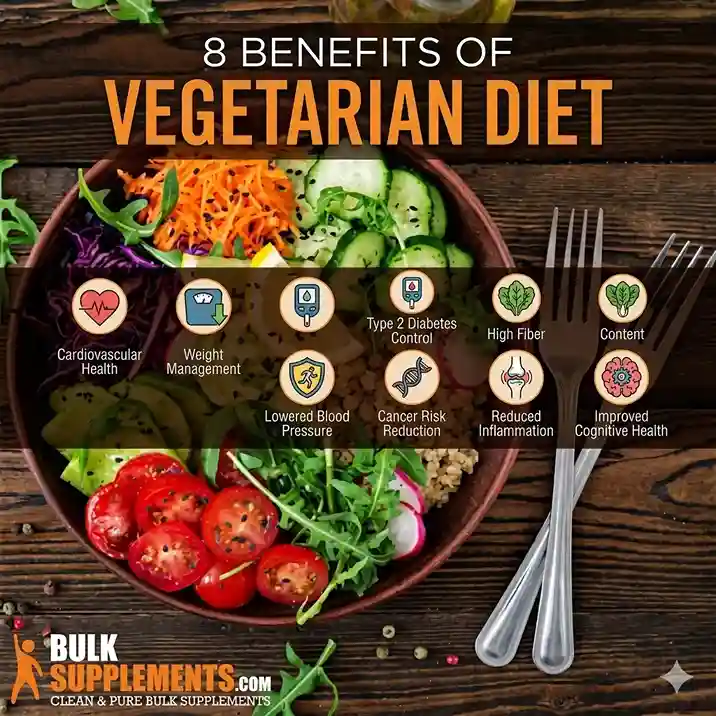
3. Reduces Risk of Chronic Diseases
Vegetarian diets are linked to a lower risk of:
- Heart disease
- Type 2 diabetes
- Hypertension
- Certain cancers
This is largely due to high fiber intake, lower saturated fat consumption, and abundant antioxidants found in plant foods.
Potential Nutritional Challenges
While vegetarian diets offer many benefits, they can also lead to nutrient deficiencies if not properly managed.
Key Nutrients to Watch:
- Vitamin B12: Essential for brain function and nerve health; mainly found in animal products
- Iron: Plant-based iron is less easily absorbed
- Omega-3 fatty acids: Important for brain health, typically found in fatty fish
- Choline: Supports memory and mood regulation
- Protein: Needs to be sourced from legumes, tofu, nuts, and seeds
Without careful planning, deficiencies in these nutrients may lead to fatigue, cognitive issues, or weakened immunity.
Vegetarian Diet vs. Brain Health
While a vegetarian diet provides many brain-friendly nutrients, some of the most powerful brain foods—like fatty fish rich in omega-3 fatty acids—are excluded.
Omega-3s are critical because:
- They make up a large portion of brain structure
- Support learning and memory
- Help reduce the risk of neurodegenerative diseases
Vegetarians can compensate by consuming:
- Walnuts
- Flaxseeds
- Chia seeds
- Algae-based omega-3 supplements
Tips for a Healthy Vegetarian Diet
To maximize the benefits of a vegetarian lifestyle, consider these tips:
✅ Balance Your Nutrients
Include a variety of foods to ensure adequate intake of essential vitamins and minerals.
✅ Add Brain-Boosting Foods
Incorporate:
- Nuts and seeds
- Leafy greens
- Berries
- Whole grains
✅ Consider Supplements
Vitamin B12, vitamin D, and omega-3 supplements may be necessary.
✅ Avoid Processed Foods
Not all vegetarian foods are healthy—limit refined carbs, sugary drinks, and ultra-processed snacks.
Is a Vegetarian Diet Right for You?
A vegetarian diet can be highly beneficial when well-planned. It supports heart health, reduces inflammation, and provides powerful nutrients for brain function.
However, it’s not automatically healthier than other diets. The key lies in:
- Nutrient balance
- Food quality
- Lifestyle habits
If you’re considering going vegetarian, it’s wise to consult a nutritionist to ensure your diet meets all your nutritional needs.