
” Health Drinking coffee daily can offer various health benefits, like better focus and a decreased risk of certain diseases, but it does come with some drawbacks.
Ways Coffee May Be Good for Your Health
- Your Focus, Energy, and Alertness Improve

Caffeine is a stimulant that blocks adenosine, a brain chemical that regulates sleep.1 Consuming caffeine makes can make you feel alert and mentally sharp. Some studies also say drinking coffee can help improve brain performance and mood.2
- Your Risk for Chronic Disease Decreases
Some studies have shown that regular coffee drinkers have a lower risk of developing certain conditions, including type 2 diabetes, Parkinson’s disease, and certain types of liver and colon cancer.3456
- Your Heart Health Improves
Despite some concerns about caffeine and high blood pressure or faster heart rate, research shows that moderate coffee consumption is associated with a lower risk of stroke and heart failure.78
- You Burn More Fat

Drinking caffeine (equivalent to 2–4 cups of coffee) may modestly increase metabolic rate and stimulate fat oxidation during cardio for people new to caffeine and exercise. In other words, coffee might temporarily help you burn more calories and body fat, especially if you consume it before you exercise.910
- You May Live Longer
Several studies suggest that coffee drinkers tend to live longer than non–coffee drinkers.11 This effect on longevity may be due to coffee’s antioxidant and anti-inflammatory compounds.12 Even decaf coffee has shown some of these benefits, indicating that this benefit is not necessarily related to caffeine.13
Drawbacks of Regular Coffee Drinking
- You May Experience Anxiety or Jitters
Drinking coffee can make symptoms like nervousness and restlessness worse—especially for people who are prone to anxiety. Caffeine is also known to cause jitters.14
- You Might Feel Some Digestive Effects
For some people, drinking coffee can irritate the lining of the stomach and cause acid reflux or heartburn, especially if drunk on an empty stomach.15 Caffeine also acts as a mild laxative, which may or may not be a desired effect.16
- Your Sleep May Be Disrupted
Caffeine has a half-life (the concentration of a substance to decrease by half) of around five hours, which means it can remain in your system for 10 hours after drinking it.17 If you drink coffee in the afternoon, you may find it difficult to fall asleep at bedtime, especially if you’re not a regular caffeine drinker.
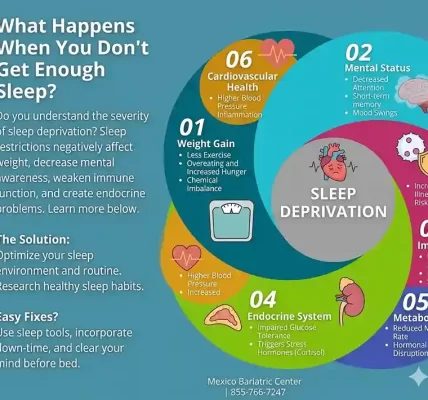
Inadequate or disrupted sleep can lead to other issues, like low energy, mood changes, trouble concentrating, and an impaired immune system.18
- You May Get Withdrawal Symptoms
Over time, your body can develop a tolerance to coffee, meaning that you require more coffee to reach the desired effects. If you miss a day or two, it can also trigger withdrawal symptoms, such as headaches, fatigue, or unusual irritability, signaling a physical dependence on caffeine.19
- You Might Consume Hidden Calories and Added Sugar
Coffee drinks from coffee shops or convenience stores often contain sweeteners, creams, and syrups. Consuming these drinks regularly can promote inflammation, unintentional weight gain, and possibly the risk of type 2 diabetes.20
What Is a Safe Amount of Coffee to Drink?
Most healthy adults can safely consume up to 400 milligrams (mg) of caffeine (3–4 cups) daily.1421
For a frame of reference, 1 cup of black coffee generally provides 95 mg of caffeine.22
However, some people are more sensitive to caffeine than others. If you’re someone who has a lower caffeine tolerance, even that 400 mg mark might be too much for you, triggering jitters, anxiety, or making it harder to fall asleep.
Healthcare providers may instruct some people to reduce their caffeine intake. For instance, pregnant people should keep their consumption to 200 mg per day or less.23
Remember, coffee isn’t the only source of caffeine. Certain teas, energy drinks, chocolate, and soda can also contain caffeine. So, if you notice health effects associated with caffeine intake, consider all the possible sources in your diet.
Ways to Make Coffee Healthier
When researchers study the health effects of coffee, they typically study its most basic form: black coffee. However, black coffee can be bitter, and not everyone cares for the flavor. Many add cream and sugar to make coffee more palatable. However, this can provide excess sugar and calories.
Keep the following tips in mind for healthier coffee:
Keep it simple: Reduce or cut out added sweeteners, flavoring agents, and whipped cream in specialty coffee drinks.
Opt for plant-based milk: Whole milk is high in saturated fat, which is not good for heart health.24 Instead, try soy, oat, or almond milk in your coffee or latte.
Choose decaf: If you’re a caffeine-sensitive person, decaf coffee may serve you better. It still provides the experience you enjoy, while reducing the risk of unwanted side effects.
Drink it earlier in the day: Caffeine has an average half-life of around five hours, so aim to finish your coffee before noon to prevent trouble falling asleep later.17
Stay hydrated: Caffeine is a mild diuretic (increases urine production).25 While moderate coffee intake is unlikely to dehydrate you, make sure you rehydrate throughout the day.