

Getting quality sleep is essential for overall health, recovery, memory, and daily performance. Poor sleep, on the other hand, is linked to chronic conditions such as heart disease, obesity, and mental health issues.
One powerful but often overlooked factor that influences sleep quality is your diet. Certain foods contain nutrients that help the body relax, regulate hormones, and promote deeper, more restorative sleep.
In this article, we’ll explore the best foods to improve sleep naturally and how they work.
How Diet Affects Sleep Quality
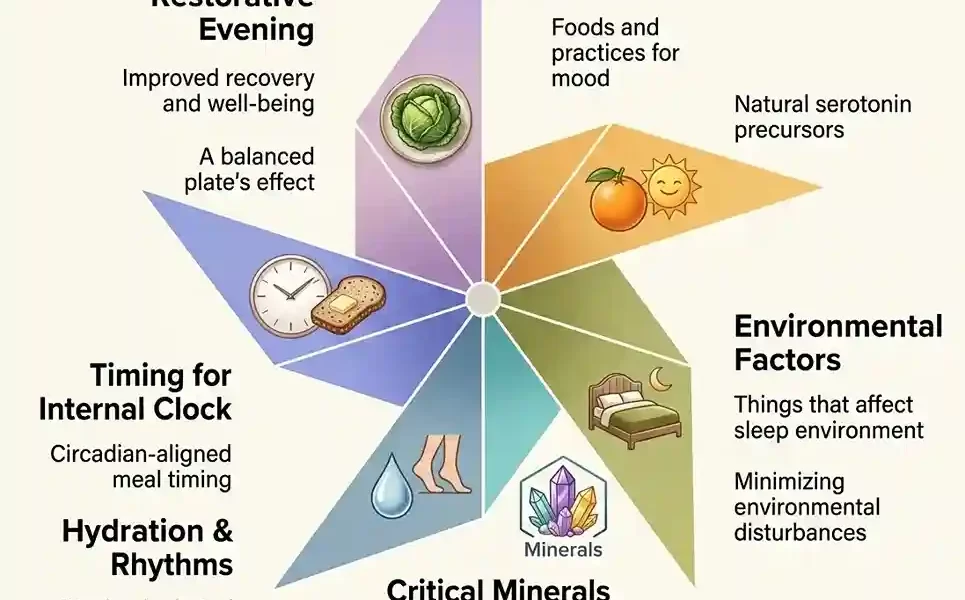
Nutrition plays a crucial role in regulating sleep cycles. Foods rich in magnesium, calcium, iron, potassium, and melatonin help calm the nervous system, balance hormones, and support the body’s natural sleep-wake rhythm.
Adding these nutrients to your daily meals—especially in the evening—can significantly improve how quickly you fall asleep and how well you stay asleep.
11 Best Foods That Help You Sleep Better

1. Calcium-Rich Foods
Calcium is essential for nerve signaling and helps regulate brain activity during deep sleep phases.
Best sources include:
- Dairy products (milk, yogurt)
- Leafy greens (kale, bok choy, spinach)
- Fatty fish with bones
👉 Tip: A serving of Greek yogurt or cooked spinach can provide a solid calcium boost before bedtime.
2. Iron-Rich Foods
Iron helps transport oxygen in the body and supports normal brain function. Low iron levels are linked to insomnia and restless sleep.
Good sources:
- Red meat (in moderation)
- Lentils and beans
- Pumpkin seeds
Iron deficiency may also contribute to restless leg syndrome, which can disrupt sleep.
3. Cherries
Cherries—especially tart cherries—are a natural source of melatonin, the hormone that controls your sleep cycle.
Consuming cherries or tart cherry juice in the evening may:
- Increase melatonin levels
- Improve sleep duration
- Reduce insomnia symptoms
4. Oats
Oats are rich in fiber, iron, magnesium, and calcium—all of which support better sleep.
They are also low-glycemic, meaning they help stabilize blood sugar levels overnight. Stable blood sugar prevents nighttime awakenings and promotes uninterrupted sleep.
5. Fiber-Rich Whole Grains
Whole grains like:
- Brown rice
- Quinoa
- Barley
- Whole wheat products
are linked to deeper and more restorative sleep.
Unlike refined grains (white bread, pasta), whole grains contain more fiber, which helps regulate digestion and maintain stable energy levels throughout the night.
6. Bananas
Bananas are an excellent source of potassium, which helps regulate muscle function and nerve signals.
Potassium also plays a role in maintaining healthy sleep patterns. Low levels of potassium have been associated with poorer sleep quality.
👉 One banana provides around 375 mg of potassium—making it a perfect bedtime snack.
7. Almonds
Almonds are packed with sleep-supporting nutrients, including:
- Magnesium
- Calcium
- Potassium
- Melatonin
- Tryptophan
These nutrients work together to relax the body, reduce stress, and improve sleep quality.
8. Herbal Teas
Herbal teas are a natural way to relax before bedtime. Popular options include:
- Chamomile tea
- Valerian root tea
- Lemon balm tea
These herbs interact with the neurotransmitter GABA, which helps calm the brain and promote sleep.
👉 Drinking herbal tea regularly may help you fall asleep faster and enjoy deeper sleep.
9. Turkey
Turkey contains tryptophan, an amino acid that promotes sleepiness.
Tryptophan helps the body produce:
- Serotonin (a calming neurotransmitter)
- Melatonin (the sleep hormone)
Pairing turkey with whole grains can enhance its sleep-inducing effects.
10. Fatty Fish
Fatty fish such as:
- Salmon
- Mackerel
- Sardines
are rich in omega-3 fatty acids and vitamin D, both of which support serotonin and melatonin production.
Diets high in omega-3s are associated with:
- Falling asleep faster
- Longer sleep duration
- Better sleep quality
11. Leafy Green Vegetables
Leafy greens like spinach and kale are high in magnesium, a mineral that helps reduce stress and promote relaxation.
Magnesium:
- Helps you fall asleep faster
- Increases sleep duration
- Regulates cortisol (stress hormone)
Higher magnesium levels are consistently linked to better sleep quality.
When to See a Healthcare Provider
If you’ve improved your diet, exercised regularly, and maintained good sleep habits but still struggle with sleep for more than two weeks, it may be time to consult a healthcare professional.
Persistent sleep issues could be a sign of underlying conditions that require medical attention.
Final Thoughts
Improving your sleep doesn’t always require medication—sometimes, it starts with what’s on your plate.
Key Takeaways:
- Eat foods rich in magnesium, calcium, potassium, and melatonin
- Choose whole, unprocessed foods over refined options
- Maintain stable blood sugar levels with fiber-rich meals
- Add calming herbal teas to your evening routine
By making small, consistent dietary changes, you can naturally improve your sleep quality and wake up feeling more refreshed every day.