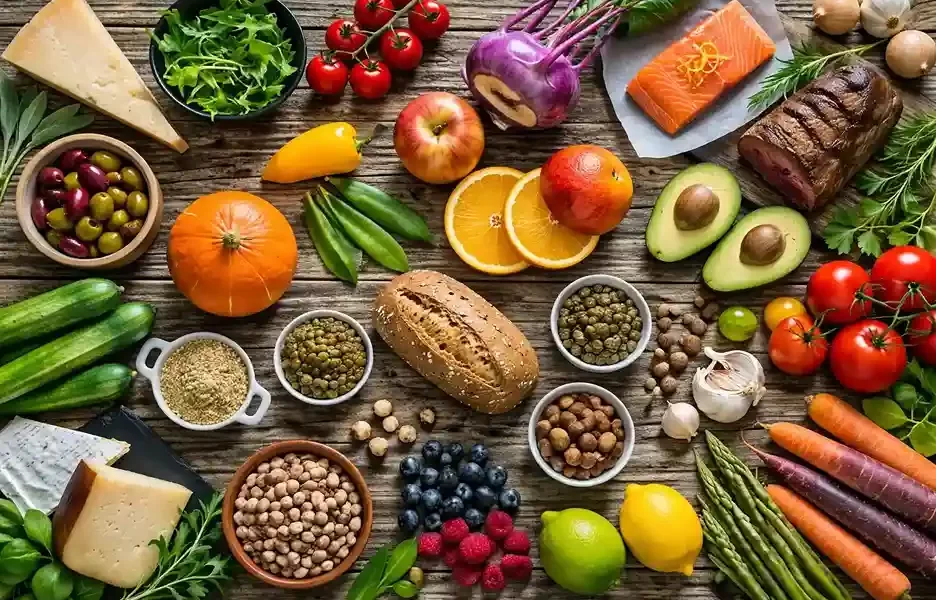

Eating healthy is often seen as the key to weight loss. So it can be frustrating when you’re making better food choices, yet the number on the scale keeps going up. The truth is, weight gain while eating “healthy” is more common than you think—and it doesn’t mean you’re doing everything wrong.
In many cases, it comes down to a combination of hidden factors that are easy to overlook. Let’s break down the most common reasons and how you can fix them.
1. You May Misunderstand What “Healthy Eating” Really Means
Not all foods labeled as “healthy” are actually beneficial for weight loss. Salads loaded with creamy dressings, sugary smoothies, or processed “health foods” can quickly become high in calories, sodium, and sugar.
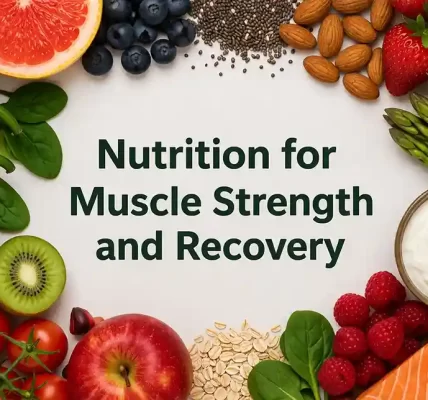
A truly balanced meal should include:
- Plenty of vegetables and fruits
- Whole grains
- Lean protein sources like chicken, fish, beans, or tofu
Understanding what healthy eating really looks like is the first step toward better results.
2. You’re Eating Too Much (Even Healthy Foods)
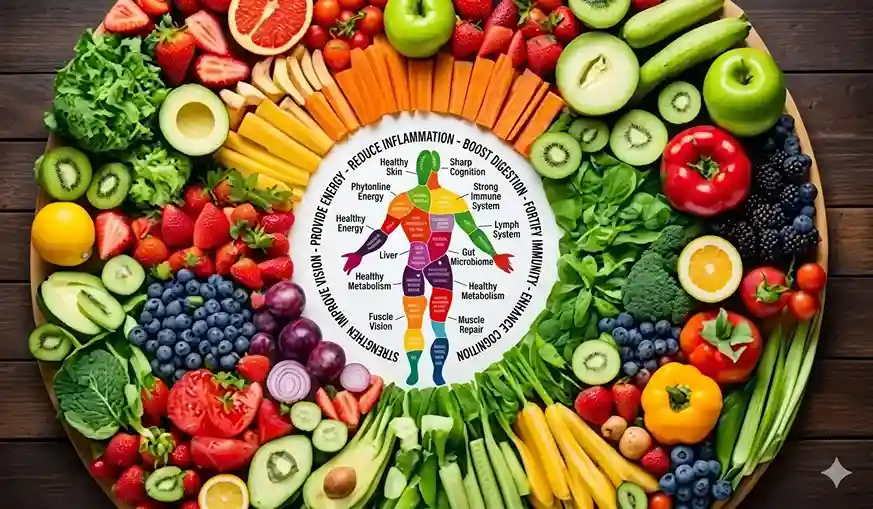
Portion size matters more than most people realize. Foods like nuts, avocados, olive oil, and whole grains are nutritious—but also calorie-dense.
Even if you’re eating clean, consuming large portions can lead to a calorie surplus, which results in weight gain.
Tip: Try measuring your portions or using smaller plates to stay mindful of how much you’re eating.
3. You’re Eating Too Little
On the flip side, eating too little can also backfire. When you drastically reduce calories, your body may slow down its metabolism to conserve energy—a response often referred to as “starvation mode.”
This can lead to:
- Slower calorie burn
- Increased hunger
- Cravings and overeating later
The key is balance: eat enough to fuel your body while maintaining a moderate calorie deficit.
4. Water Retention Is Affecting the Scale
Sometimes, the weight gain you see isn’t fat—it’s water.
Common causes of water retention include:
- High sodium intake
- Hormonal changes
- Sitting or standing for long periods
- Certain medications
To reduce water retention:
- Cut back on salty foods
- Drink more water
- Eat foods rich in potassium and magnesium (like bananas, leafy greens, and avocados)
5. You’re Not Getting Enough Sleep
Sleep plays a major role in weight management. When you don’t get enough rest, your body produces hormones that increase hunger and cravings—especially for high-calorie foods.
Studies show that sleeping less than 5–6 hours per night is linked to weight gain. Aim for 7–9 hours of quality sleep each night to support your metabolism and appetite control.
6. Stress Is Slowing Your Progress
Chronic stress can make weight loss much harder. When you’re stressed, your body releases cortisol—a hormone that encourages fat storage, particularly around the abdomen.
Stress can also lead to emotional eating and cravings for unhealthy comfort foods.
What helps:
- Regular exercise
- Meditation or yoga
- Relaxing hobbies like reading or walking
7. Age, Hormones, and Metabolism Changes
If you’re over 40, your body naturally goes through changes that affect weight, including:
- Slower metabolism
- Hormonal shifts (like lower estrogen levels)
- Loss of muscle mass
These changes mean your body may require fewer calories than before. Strength training and staying active can help maintain muscle and boost metabolism.
8. Genetics and Body Composition
Your genetics can influence how your body stores fat and how easily you gain or lose weight. Additionally, if you’ve started exercising, you may be gaining muscle while losing fat—which can make the scale go up even though your body is getting leaner.
Final Thoughts
Gaining weight while eating healthy can feel confusing, but it’s usually caused by a mix of small, manageable factors—not a single mistake.
To get back on track:
- Pay attention to portion sizes
- Balance your meals
- Prioritize sleep and stress management
- Stay consistent with physical activity
Remember, sustainable weight loss isn’t just about eating “healthy”—it’s about understanding your body and creating habits that support long-term health.