
Does the temperature of your water really matter—or is it just another health myth?
From early morning routines to post-workout hydration, people often debate whether cold water or warm water is better for the body. Some believe warm water boosts digestion, while others claim cold water burns more calories.
So, what does science actually say? Let’s break it down.
💧 Does Water Temperature Really Matter?
The short answer: yes—but not as much as you think.
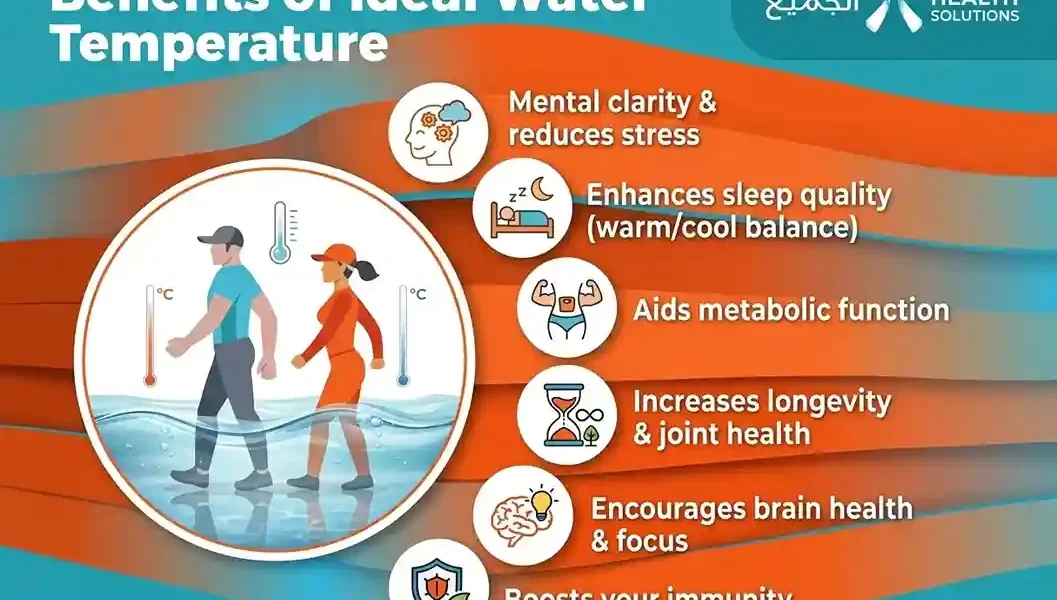
Water temperature can have minor effects on digestion, metabolism, and comfort, but the most important factor is still drinking enough water daily.
Your hydration level has a far greater impact on health than whether your water is hot or cold.
⚖️ Cold Water vs. Warm Water: Key Differences
❄️ Benefits of Drinking Cold Water
Cold water is refreshing and especially popular in hot weather or after exercise.
Potential benefits:
- Helps cool down the body quickly
- May slightly increase calorie burn (your body uses energy to warm it up)
- Leaves the stomach faster, which may feel lighter after meals
However, the calorie-burning effect is minimal—about 8 calories per glass, which is not significant for weight loss.
🔥 Benefits of Drinking Warm or Hot Water
Warm water is often recommended for digestion and relaxation.
Potential benefits:
- Supports smoother digestion
- May help relax the digestive tract
- Can promote a feeling of fullness and reduce hunger temporarily
- Encourages relaxation, especially before bedtime
Because warm water stays in the stomach longer, it may help you feel full for a short time—but it’s not a standalone solution for weight loss.
🧠 Does Water Temperature Affect Weight Loss?
Many people believe water temperature can directly impact fat burning—but the reality is more nuanced.
- Cold water burns a small number of extra calories
- Warm water may support digestion and appetite control
However, neither hot nor cold water significantly affects weight loss on its own.
👉 The real drivers of fat loss are:
- Calorie balance
- Physical activity
- Overall diet quality
Think of water temperature as a small detail—not a deciding factor.
🍽️ What About Digestion?
There is some evidence that cold water leaves the stomach faster, while warm water may:
- Help break down food more comfortably
- Support smoother intestinal movement
That said, the difference is relatively small and varies between individuals.
For better digestion overall:
- Drink water 15 minutes before meals or
- Wait at least 30 minutes after eating
⚠️ Is There Any Risk?
Yes—extreme temperatures can cause problems.
🚫 Risks of Very Hot Water
- Burns in the mouth or throat
- Long-term irritation of the esophagus
- Possible increased risk of tissue damage
🚫 Risks of Very Cold Water
- Tooth sensitivity
- Throat discomfort
- Digestive discomfort in some individuals
👉 Best practice: Stick to moderate temperatures—room temperature or slightly warm/cool water.
💡 Does Water Temperature Boost Metabolism?
Warm water may slightly increase metabolic activity, while cold water forces your body to expend energy to regulate temperature.
However, these effects are very small and not enough to significantly change metabolism.
🧬 What Really Matters for Your Health
Regardless of temperature, water plays a vital role in:
- Removing toxins through kidneys and sweat
- Supporting digestion and nutrient absorption
- Maintaining circulation and organ function
The key is consistent hydration, not temperature.
📝 Final Verdict
So, drinking cold water vs. warm water—which is better?
👉 Both are beneficial in different ways, and neither is significantly superior.
- Choose cold water for refreshment and cooling
- Choose warm water for comfort and digestion
- Avoid extreme temperatures
- Focus on drinking enough water daily
At the end of the day, the best water is the one you’ll drink regularly. Stay hydrated—and your body will thank you.