

“Health Choice When it comes to weight loss, the fitness world often presents two distinct camps: those who swear by cardiovascular exercises and those who advocate for weightlifting. Both approaches have their merits, and understanding the implications of each can help you shape the most effective workout plan for your weight loss journey. This comprehensive article dives deep into the debate of cardio versus weight lifting, exploring their benefits and drawbacks, the science behind them, and ultimately, guiding you toward the best choice for your personal fitness goals.
Understanding Weight Loss: The Basics
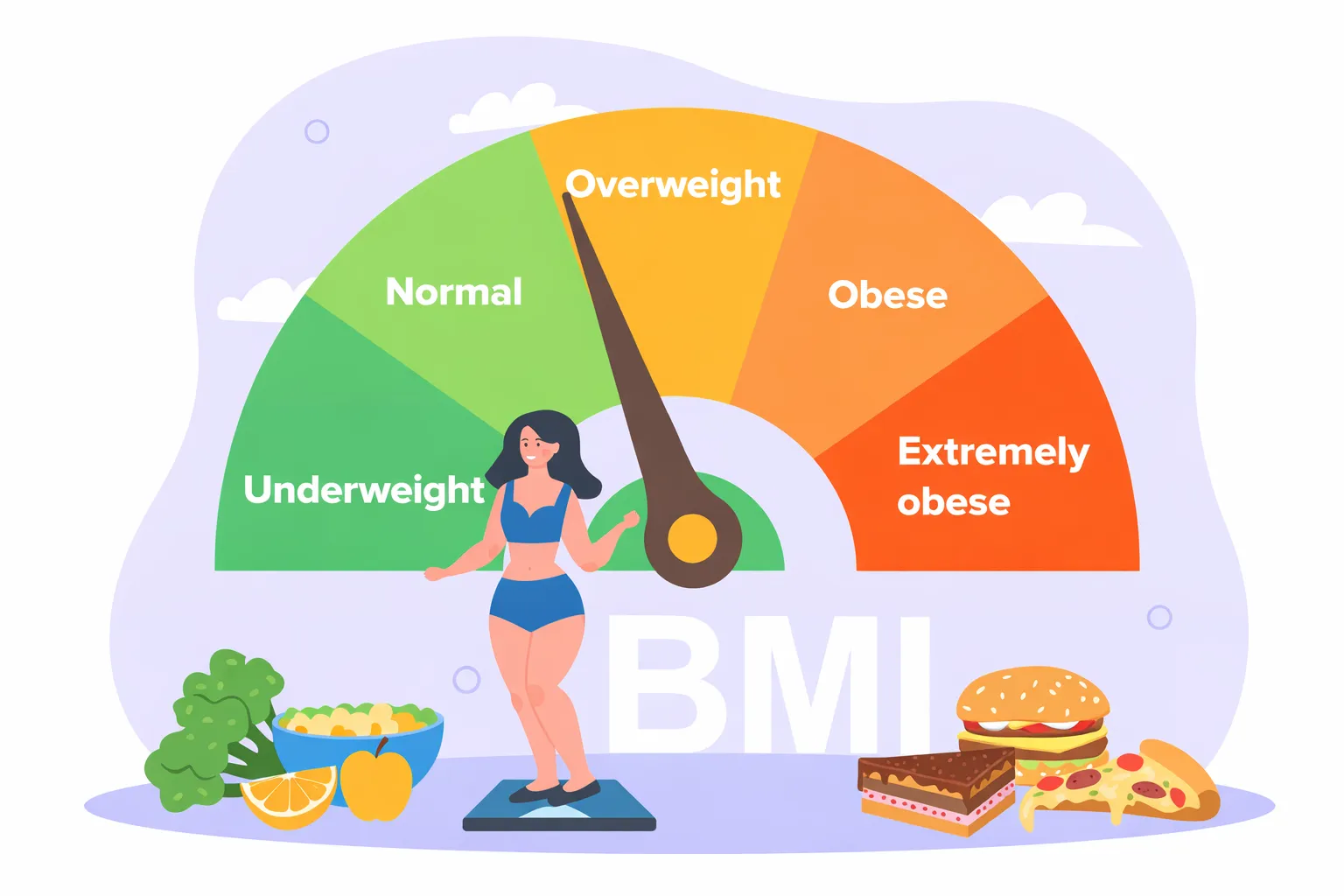
Before we dive into the specifics of cardio and weight lifting, it’s crucial to grasp the basic principles of weight loss. At its core, weight loss occurs when you burn more calories than you consume, creating a calorie deficit. This can be achieved through:
Reducing calorie intake through diet
Increasing calorie expenditure through physical activity
Both cardio and weight lifting can aid in creating this deficit, but they do so in fundamentally different ways.
Cardiovascular Exercise: The Heart of the Matter

Cardio, short for cardiovascular exercise, refers to any rhythmic activity that raises your heart rate. Common forms include running, swimming, cycling, and rowing. The primary goal of cardio is to improve the efficiency of your heart and lungs while burning calories.
Benefits of Cardio for Weight Loss
Caloric Burn: Cardio workouts are often high in intensity and can burn a significant number of calories in a short period. For example, a 160-pound person can burn approximately 600 calories in an hour of running at a moderate pace.
Improved Cardiovascular Health: Cardio strengthens the heart, improves circulation, and lowers blood pressure, contributing to long-term health benefits beyond weight loss.
Accessibility: Many forms of cardio do not require special equipment or a gym membership. Whether you’re walking in your neighborhood or joining a local cycling group, options are abundant.
Easier for Beginners: For those new to exercise, cardio can be an approachable way to start losing weight, as it can be done at various intensity levels to match personal fitness.
Challenges of Cardio for Weight Loss
Despite its benefits, cardio has some limitations:
Potential Muscle Loss: Excessive cardio without incorporating strength training can lead to muscle loss, especially if you’re not consuming enough protein or maintaining a well-rounded diet.
Adaptation: The body often adapts to the demands placed on it, meaning that over time, the same cardio workout may burn fewer calories than it initially did. This phenomenon can lead to weight loss plateaus.
Time-consuming: Effective cardiovascular workouts often require a significant time commitment, especially for those looking to exceed the basic calorie burn.
Weight Lifting: The Power of Resistance Training
Weight lifting, or resistance training, involves using weights or resistance bands to work your muscles against an external force. It’s not only beneficial for building strength but also plays a vital role in weight loss.
Benefits of Weight Lifting for Weight Loss
Muscle Preservation and Gain: Unlike cardio, weight lifting helps preserve muscle mass during weight loss. Maintaining muscle is crucial because muscle tissue burns more calories at rest than fat, meaning that a higher muscle-to-fat ratio can lead to increased calorie expenditure even when you’re not exercising.
Increased Metabolism: Resistance training can boost your resting metabolic rate (RMR). A study published in the Journal of Strength and Conditioning Research found that individuals who engaged in regular weight training experienced an increase in RMR, enhancing their ability to lose weight.
Post-Exercise Caloric Burn: Weight lifting creates an “afterburn” effect, scientifically known as excess post-exercise oxygen consumption (EPOC). This means you continue to burn calories at an elevated rate after your workout is finished.
Flexibility and Functional Strength: Weight lifting not only tones the body but also improves functional strength, which can enhance performance in daily activities and reduce the risk of injury.
Challenges of Weight Lifting for Weight Loss
While weight lifting offers several benefits, it comes with challenges:
Learning Curve: For beginners, the techniques for proper form and weight selection can be daunting. Improper form can lead to injuries, discouraging individuals from continuing their weightlifting journey.
Equipment Requirement: Unlike cardio, which can often be performed anywhere, effective weightlifting usually requires access to a gym or specific equipment.
Caloric Burn During Workouts: While weight lifting does burn calories, the rate is generally lower than that of vigorous cardio workouts in a similar timeframe, potentially making it seem less effective for immediate weight loss.
Combining Cardio and Weight Lifting for Optimal Results
As both cardio and weight lifting have unique advantages and challenges, many fitness experts advocate for a combination of both for optimal weight loss results. This approach leverages the benefits of each to create a balanced fitness routine.
Creating a Balanced Fitness Regimen
Incorporate Variety: Aim for a workout schedule that includes both cardio and weight lifting. This could involve alternating days for each or integrating both forms of exercise into one session.
Tailor Intensity and Duration: Depending on your fitness level and weight loss goals, adjust the intensity and duration of cardio and weightlifting sessions. For example, high-intensity interval training (HIIT) can be an effective way to combine both elements.
Listen to Your Body: It’s vital to pay attention to how your body responds. Fatigue, soreness, and performance can indicate when you need to adjust the intensity or include more recovery time.