


Scrolling while snacking—harmless habit or hidden health risk?
Phone After a long day, it’s tempting to relax with a meal in one hand and your phone in the other. Whether it’s watching videos, scrolling social media, or replying to messages, combining screen time with eating has become the norm.
But is this actually affecting your health? Let’s explore why we do it—and what it might be doing to our bodies.
📱 Why Do We Use Our Phones While Eating?
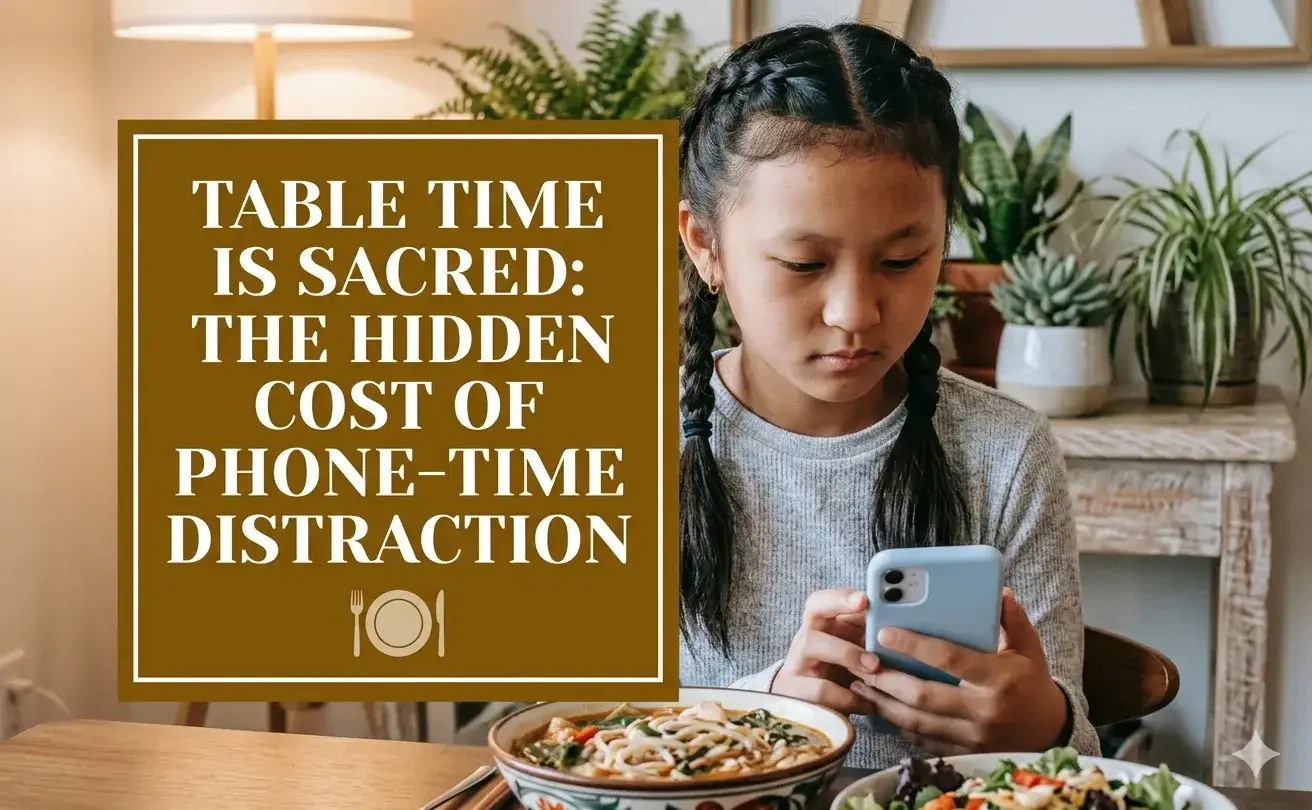
Eating in silence can feel uncomfortable for many people. Screens provide instant entertainment and distraction, making meals feel more enjoyable.
There are a few common reasons behind this habit:
- Dopamine boost: Both food and digital content trigger “feel-good” chemicals in the brain. Combining them creates a powerful sense of pleasure.
- Learned behavior: If you grew up eating in front of the TV, you’re more likely to continue the habit.
- Cultural influence: From sports games to restaurants with TVs, food and screens are often linked socially.
- Stress relief: Many people use screens to unwind or avoid overthinking during meals.
While it may feel relaxing, this combination can come with unintended consequences.
⚠️ Negative Effects of Using Your Phone While Eating
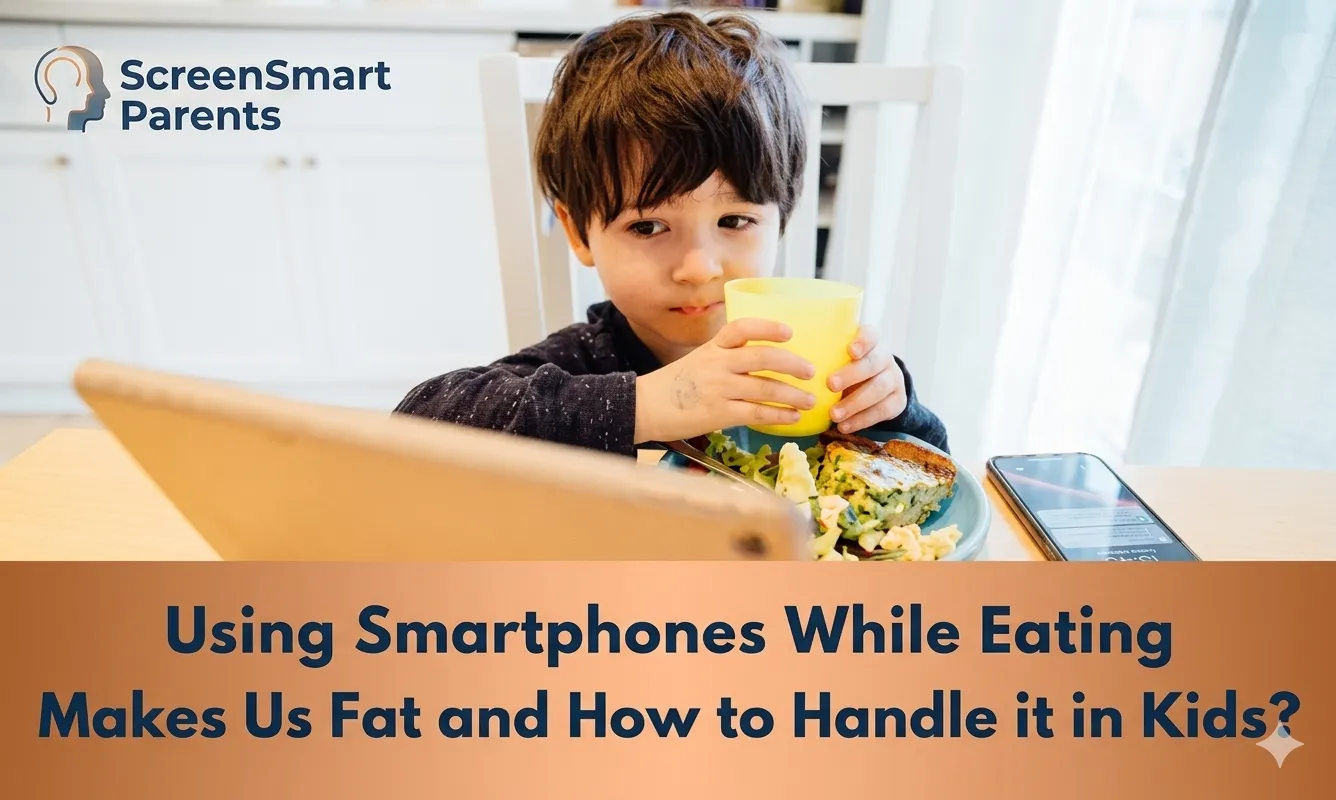
1. You May Overeat Without Realizing It
When you’re distracted by your phone, you’re less aware of how much you’re eating. This can lead to mindless overeating, as your brain doesn’t fully register portion sizes or fullness signals.
2. Disrupts Hunger and Fullness Cues
Your body naturally tells you when you’re hungry and when you’ve had enough. But screen distractions can make you miss these signals, causing you to eat faster and beyond satisfaction.
3. Increased Risk of Weight Gain
Studies have found a connection between higher screen time and increased body weight—especially in children and adolescents.
This may be due to:
- More sedentary behavior
- Increased calorie intake
- Poor food choices during distracted eating
4. Reduced Digestion Quality
Eating too quickly while distracted can affect digestion. Proper chewing and slower eating help your body break down food efficiently.
5. Weakens Mindful Eating Habits
Mindful eating is about being present with your food—something that’s nearly impossible when your attention is on a screen.
Over time, this habit can lead to:
- Emotional eating
- Eating out of boredom
- Less enjoyment from meals
🧠 What Is Mindful Eating—and Why Does It Matter?
Mindful eating means paying full attention to:
- What you eat
- How much you eat
- How your body feels during meals
This simple practice can lead to powerful benefits, such as:
- Better portion control
- Reduced overeating
- Improved digestion
- Healthier relationship with food
- Support for weight management
In fact, people who eat mindfully are more likely to eat less later in the day and make healthier food choices overall.
🍽️ How to Stop Using Your Phone While Eating
Breaking the habit isn’t easy—but small changes can make a big difference.
Here are practical tips to get started:
- Put your phone out of reach during meals
- Eat at a table, not on the couch or in bed
- Turn off the TV and notifications
- Slow down your eating pace and chew thoroughly
- Focus on flavors, textures, and aromas
- Eat with others and engage in conversation instead
Even starting with one distraction-free meal per day can improve your awareness and habits.
⚖️ Is It Always Bad?
Not necessarily.
Occasionally watching a show or checking your phone while eating isn’t likely to harm your health. The issue arises when it becomes a daily habit that disconnects you from your body’s signals.
The key is balance and awareness.