

The Psychology Behind Food Myths
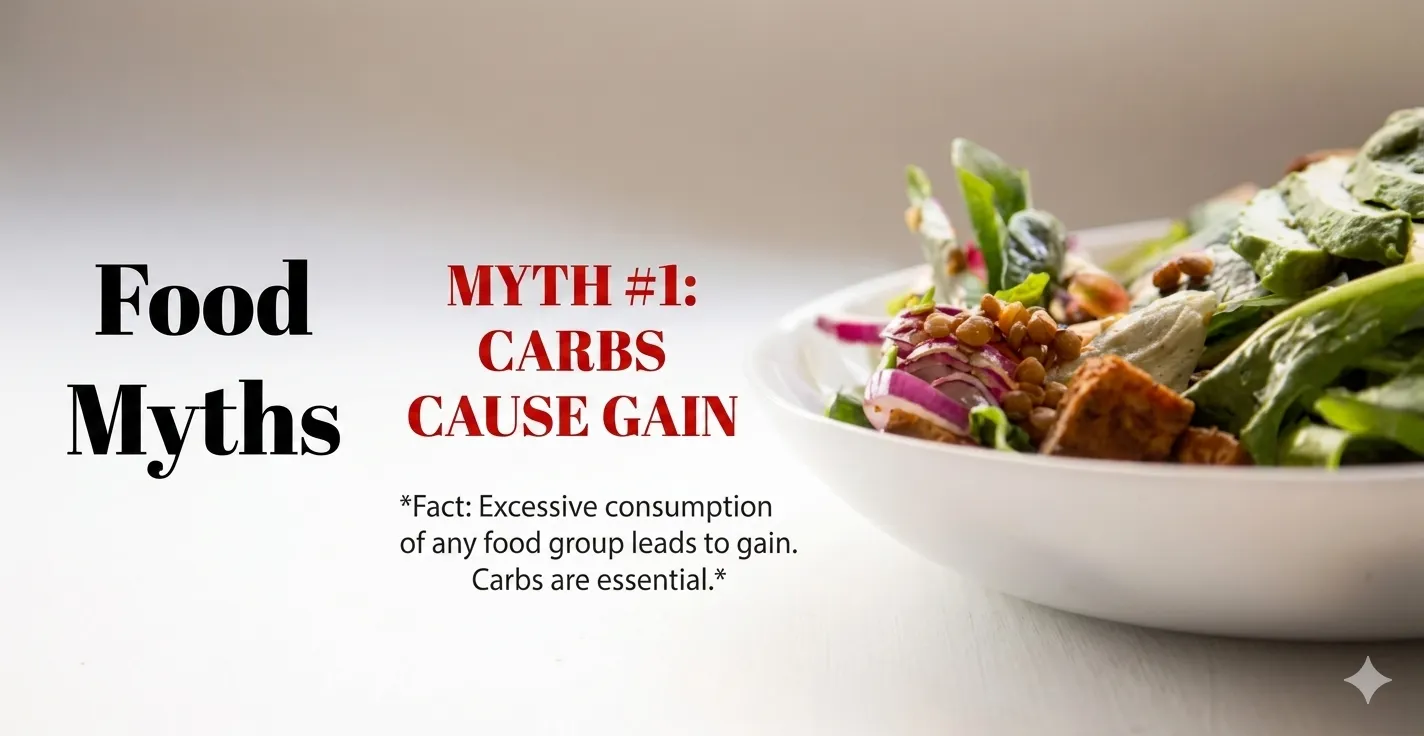
Understanding why food myths persist requires looking beyond science and into human psychology. People are naturally drawn to simple explanations and quick solutions, especially when it comes to health and weight loss. Diet trends that promise rapid results or “miracle” outcomes often gain popularity because they appeal to emotions rather than evidence.
Cognitive biases also play a major role. For example, confirmation bias leads individuals to believe information that aligns with their existing beliefs, even if it lacks scientific support. Social proof further reinforces these myths—when people see influencers, celebrities, or peers following a certain diet, they are more likely to adopt it without questioning its validity.
Another important factor is fear-based messaging. Many food myths are built around the idea that certain foods are “bad” or harmful, which creates anxiety and encourages restrictive eating patterns. In reality, no single food determines overall health; it is the long-term dietary pattern that matters most.
Practical Strategies to Navigate Nutrition Information
With so much conflicting information available, developing critical thinking skills is essential for making informed dietary choices. Here are some practical strategies to help you evaluate nutrition advice effectively:
- Check the source: Prioritise information from peer-reviewed journals, registered dietitians, and reputable health organisations.
- Look for scientific consensus: One study alone is not enough—reliable advice is supported by multiple studies over time.
- Avoid extreme claims: Promises like “lose 10kg in a week” or “detox your body instantly” are often misleading.
- Focus on balance, not restriction: Healthy eating is about variety and moderation, not eliminating entire food groups.
Incorporating these habits into your daily life can protect you from misinformation and help you build a sustainable approach to nutrition.
The Future of Nutrition Science
As technology advances, the field of nutrition is moving toward more personalised approaches. Researchers are now exploring how genetics, gut microbiota, and lifestyle factors influence individual responses to food. This emerging area, known as personalised nutrition, aims to provide tailored dietary recommendations rather than one-size-fits-all guidelines.
Wearable devices, health apps, and data tracking tools are also transforming how people monitor their eating habits and health outcomes. These innovations can empower individuals to make better decisions, but they should still be used alongside evidence-based knowledge.
Despite these advancements, one principle remains unchanged: a balanced diet rich in whole, minimally processed foods continues to be the foundation of good health.