

In today’s world, diet trends are everywhere. From social media influencers to health blogs, everyone seems to promote the next “miracle diet.” But with so much conflicting information, it’s easy to feel confused and overwhelmed.
The truth is, most popular diets are built on hype rather than science. Sustainable health doesn’t come from quick fixes or extreme restrictions—it comes from balance, consistency, and understanding your body.
In this article, we break down the most common diet myths and reveal what science actually says about them.
Why Fad Diets Often Fail
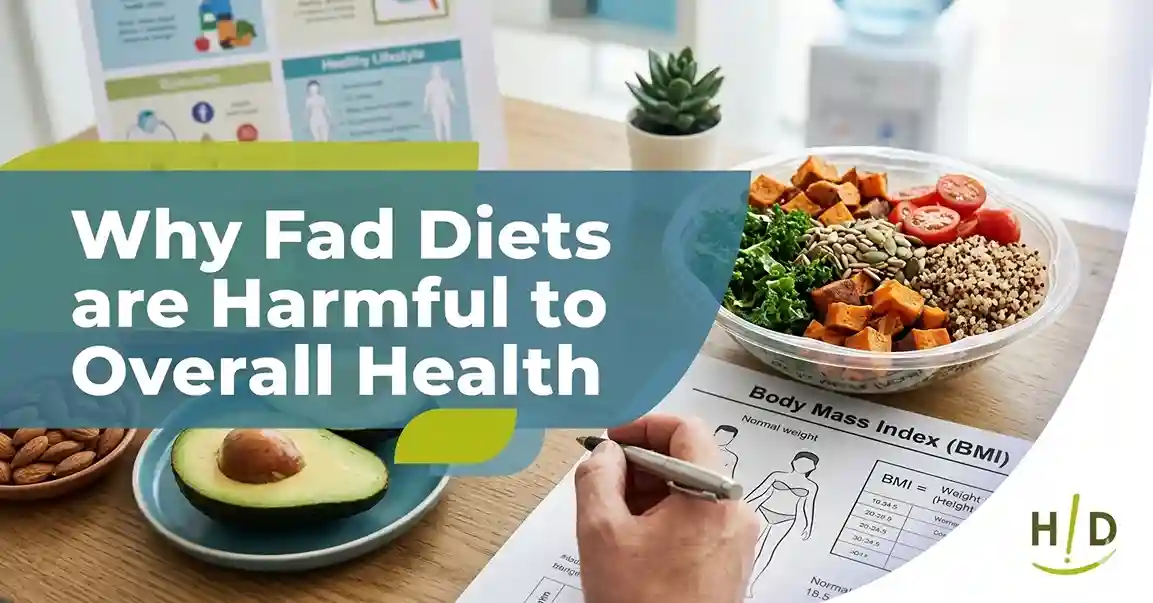
Many trendy diets promise fast results, but they rarely deliver long-term success. Why?
- They are too restrictive
- They eliminate essential nutrients
- They are difficult to maintain
- They don’t consider individual needs
Real nutrition is not one-size-fits-all. It’s about building habits that suit your lifestyle and support your metabolism over time.
1. Fat Is Bad for You – Myth or Fact?

Myth.
For years, fat has been unfairly blamed for weight gain and health problems. In reality, healthy fats are essential for:
- Brain function
- Hormone production
- Cell health
- Vitamin absorption (A, D, E, K)
👉 The key is choosing the right fats:
- Healthy: nuts, seeds, olive oil, fatty fish
- Limit: processed and trans fats
Eliminating fat completely can actually harm your health.
2. Do You Really Need Complicated Diet Plans?
No. Simplicity works best.
Many people chase complex diet plans with exotic ingredients, but true health comes from:
- Whole foods
- Seasonal fruits and vegetables
- Whole grains and legumes
- Home-cooked meals
Simple, balanced eating is easier to maintain and more effective in the long run.
3. Gluten-Free Diet: Necessary for Everyone?
Not at all.
Gluten-free diets are essential for people with:
- Celiac disease
- Gluten sensitivity
However, for most people, cutting out gluten unnecessarily can lead to:
- Lower fiber intake
- نقص in B vitamins
- Reduced gut health
👉 Whole grains are beneficial and should be included unless medically advised otherwise.
4. Are Carbohydrates Really the Enemy?
No—carbs are essential.
Carbohydrates are your body’s primary source of energy. Cutting them out can cause:
- Fatigue
- Brain fog
- Mood swings
👉 Focus on the right types:
- Complex carbs: oats, brown rice, whole grains, legumes
- Avoid: refined sugars and processed carbs
Balance and moderation are key.
5. Detox Diets: Do They Actually Work?
Mostly a myth.
Juice cleanses and extreme detox diets promise quick results, but they often:
- Lack essential nutrients
- Cause muscle loss
- Slow metabolism
Your body already has a natural detox system:
- Liver
- Kidneys
👉 Instead of detox diets, focus on:
- Balanced nutrition
- Hydration
- Regular exercise
6. Keto & Paleo Diets: Are They Sustainable?
Short-term results, long-term challenges.
Low-carb diets like keto and paleo can lead to quick weight loss, but they often:
- Restrict important food groups
- Cause nutrient deficiencies
- Are hard to maintain
Sustainable health comes from variety and balance—not extreme restrictions.
7. Organic Food: Is It Always Healthier?
Not necessarily.
Organic foods may reduce pesticide exposure, but studies show minimal differences in nutritional value compared to conventional foods.
👉 What matters more:
- Eating a variety of foods
- Choosing fresh, whole ingredients
- Maintaining a balanced diet
Labels alone don’t guarantee better health.
Key Takeaways: What Really Works
Instead of chasing trends, focus on proven principles:
✔ Eat a balanced diet with all food groups
✔ Prioritize whole, minimally processed foods
✔ Stay consistent with healthy habits
✔ Listen to your body’s needs
✔ Avoid extreme restrictions
Final Thoughts
The world of nutrition is full of noise, but the truth is simple: there is no perfect diet for everyone.
Sustainable health comes from:
- Understanding your body
- Making mindful choices
- Building long-term habits
Stop chasing quick fixes. Start building a lifestyle that supports your well-being every day.
Frequently Asked Questions (FAQs)
What is the healthiest diet overall?
A balanced diet that includes whole foods, healthy fats, proteins, and carbohydrates is the most effective.