
Health In today’s fast-paced world, maintaining good health isn’t just about eating right and exercising regularly. Many people unknowingly fall into daily habits that quietly damage their wellbeing over time. These “silent” mistakes often go unnoticed—but they can have serious consequences for your metabolism, weight, and overall health.
One of the biggest hidden culprits? Chronic stress.
In this article, we’ll uncover how stress and everyday habits may be sabotaging your health—and what you can do to fix them.
Why These “Silent” Health Mistakes Matter

You might think occasional stress or poor sleep isn’t a big deal. But when these patterns become routine, they trigger hormonal imbalances, disrupt metabolism, and increase the risk of weight gain and chronic disease.
Understanding these hidden mistakes is the first step toward taking back control of your health.
1. Ignoring Chronic Stress
Stress isn’t just a mental burden—it directly impacts your body. When you’re constantly stressed, your body produces high levels of cortisol, often called the “stress hormone.”
Elevated cortisol can:
- Increase cravings for sugary, high-calorie foods
- Promote fat storage, especially around the abdomen
- Slow down your metabolism
Over time, this creates the perfect environment for weight gain—even if you’re eating well and exercising.
2. Letting Hormones Control Your Appetite
Stress disrupts key hunger hormones like leptin and ghrelin.
- Leptin signals fullness
- Ghrelin stimulates hunger
When these hormones are out of balance, you may feel hungry more often and struggle to recognize when you’re full—leading to overeating without realizing it.
3. Emotional Eating Without Awareness
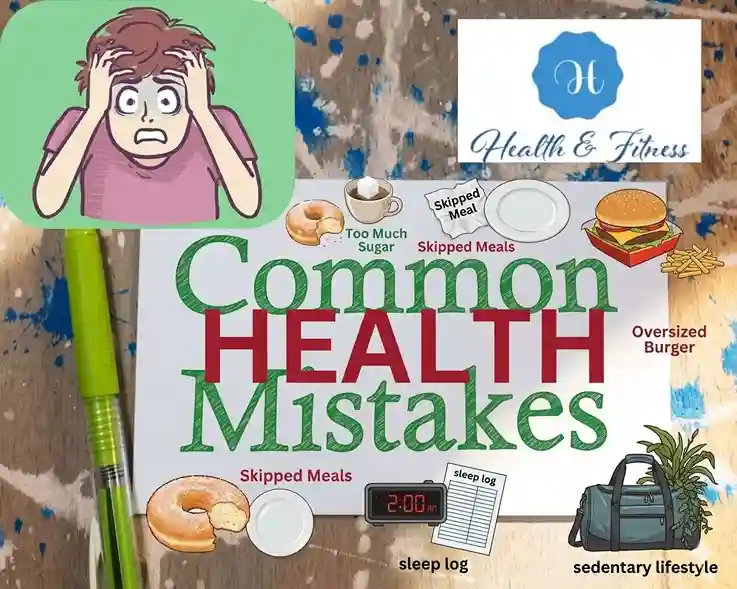
Turning to food for comfort is common during stressful times. While it may provide temporary relief, emotional eating often leads to excessive calorie intake and poor food choices.
The real issue? It becomes a habit loop that’s hard to break.
4. Neglecting Sleep Quality
Poor sleep is one of the most underestimated health mistakes. Lack of sleep increases cortisol levels and disrupts hunger hormones, making you crave unhealthy foods and eat more.
Studies consistently show that people who sleep less than six hours per night are more likely to gain weight.
5. Living in a Constant “Fight-or-Flight” Mode
Your body is designed to handle short bursts of stress—not constant pressure. When you stay in survival mode for too long, your system becomes overloaded.
This leads to:
- Fatigue
- Hormonal imbalance
- Reduced fat-burning ability
6. Skipping Physical Activity When Stressed
Ironically, stress often makes people avoid exercise—when it’s actually one of the best solutions.
Regular movement helps:
- Lower cortisol levels
- Boost metabolism
- Improve mood and energy
Even light activities like walking can significantly reduce stress.
7. Choosing Convenience Foods Too Often
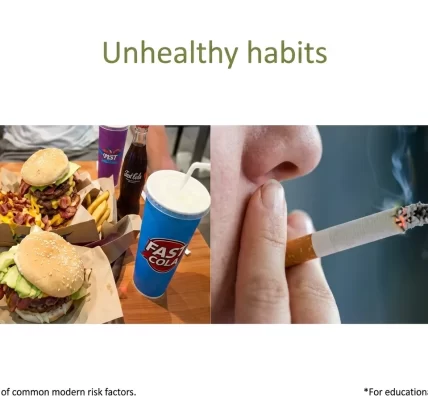
Busy lifestyles often lead to reliance on processed, high-sugar foods. These not only contribute to weight gain but also worsen stress and inflammation in the body.
Over time, this creates a cycle of low energy and poor health.
8. Not Managing Stress Proactively
Many people accept stress as a normal part of life without actively managing it. But unmanaged stress is a major driver of long-term health issues.
Simple practices like mindfulness, breathing exercises, or yoga can make a powerful difference.
9. Overlooking the Mind-Body Connection
Your mental and physical health are deeply connected. Ignoring emotional wellbeing can undermine even the best diet and fitness plans.
True health comes from addressing both.
How to Break the Cycle and Reclaim Your Health
The good news? These mistakes are fixable with small, consistent changes.
1. Practice Mindfulness Daily
Meditation, deep breathing, or even a few minutes of quiet reflection can help lower stress levels and improve focus.
2. Prioritize Quality Sleep
Aim for 7–9 hours of sleep each night. Create a relaxing bedtime routine to help your body unwind.
3. Stay Physically Active
Incorporate movement into your daily routine—even if it’s just a short walk.
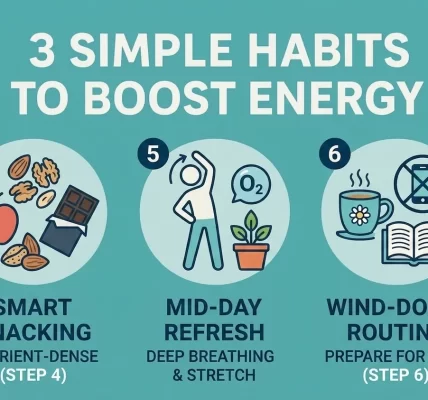
4. Eat Nutrient-Dense Foods
Focus on whole foods rich in magnesium and omega-3 fatty acids, such as leafy greens, nuts, seeds, and fatty fish.
5. Build Healthy Coping Mechanisms
Replace emotional eating with healthier habits like journaling, talking to a friend, or engaging in a hobby.
The Bigger Picture: Rethinking Modern Health
Stress-related health issues are becoming increasingly common in modern society. As stress levels rise, so do rates of obesity and metabolic disorders.
This highlights an important truth:
Health isn’t just about diet and exercise—it’s about managing stress and creating balance in your life.
Final Thoughts
These nine “silent” mistakes may seem small, but their impact adds up over time. By becoming more aware of your daily habits and making intentional changes, you can protect your health and improve your quality of life.
Start small. Stay consistent. And remember—lasting health is built through mindful, everyday choices.
Disclaimer
This article is for informational purposes only and does not replace professional medical advice. Always consult a qualified healthcare provider before making changes to your health routine.