Health Is a Vegetarian Diet Really Good for Your Health? Benefits, Risks & Expert Insights

With the growing popularity of plant-based lifestyles, many people are asking: Is a vegetarian diet truly healthy?
Whether motivated by health, environmental concerns, or ethical reasons, more individuals are choosing to reduce or eliminate meat from their diets. But is this way of eating actually beneficial in the long run?
In this article, we explore the science-backed benefits, potential risks, and practical tips to help you decide if a vegetarian diet is right for you.
What Is a Vegetarian Diet?
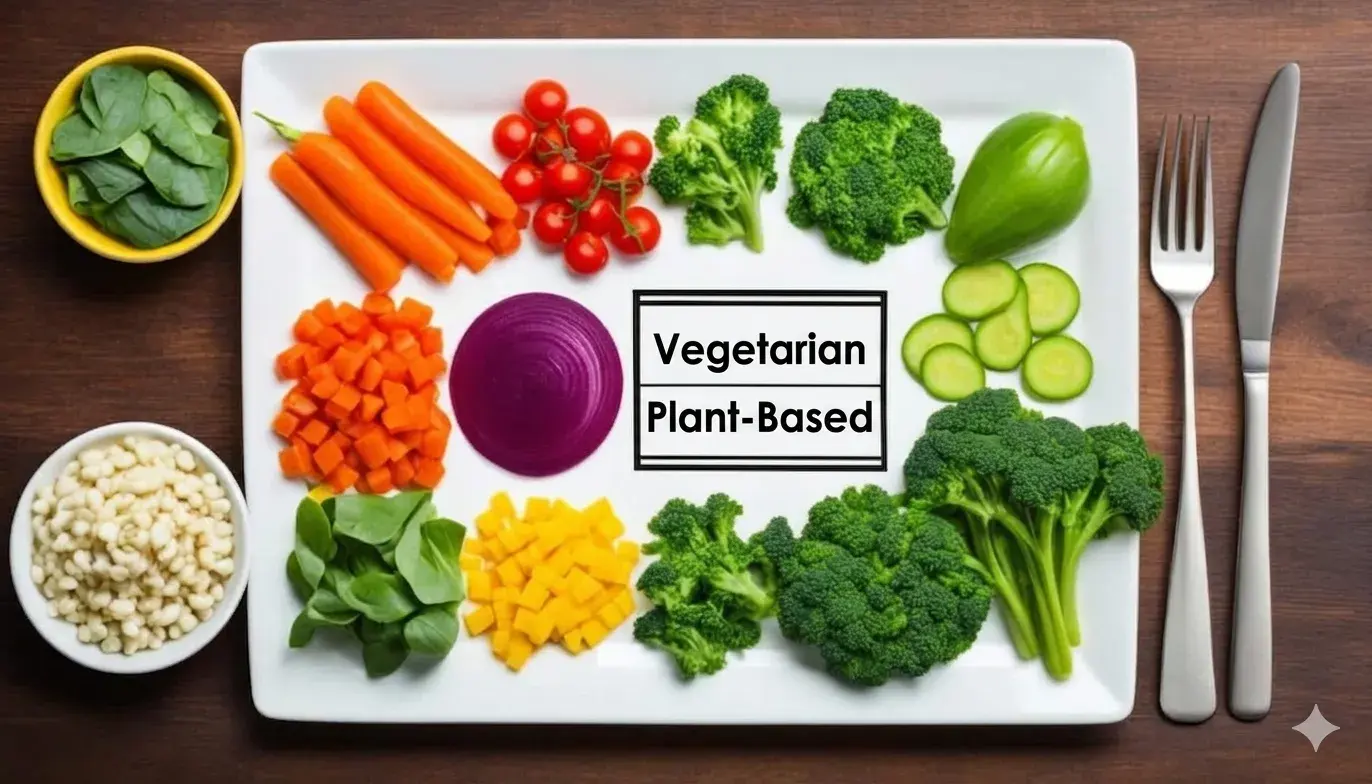
A vegetarian diet typically excludes meat, fish, and seafood. However, there are different variations depending on what animal products are included:
- Lacto-ovo vegetarian: Includes dairy and eggs
- Lacto-vegetarian: Includes dairy but no eggs
- Ovo-vegetarian: Includes eggs but no dairy
Your choice may depend on personal preferences, cultural beliefs, or health goals.
Top 10 Health Benefits of a Vegetarian Diet
1. Supports Healthy Weight Management
Research suggests that people who follow plant-based diets tend to have lower body weight and reduced risk of obesity. This is often due to higher fiber intake and lower calorie density.
2. Promotes Heart Health
Vegetarian diets are associated with a lower risk of heart disease. They are typically lower in saturated fat and higher in heart-friendly nutrients like fiber and antioxidants.
3. Helps Balance Blood Sugar Levels
A well-planned vegetarian diet can improve blood sugar control and may reduce the risk of developing type 2 diabetes.
👉 Whole grains play a key role in maintaining stable glucose levels.
4. Reduces Risk of Diabetes Complications
Plant-based diets are rich in:
- Fiber
- Antioxidants
- Essential vitamins
These nutrients support better management of diabetes and may lower the risk of complications.
5. May Lower Cancer Risk
Eating more fruits, vegetables, and legumes while reducing processed meat intake has been linked to a lower risk of certain cancers.
6. Improves Gut Health
Your gut microbiome thrives on fiber-rich foods.
👉 Vegetarian diets provide:
- Diverse plant fibers
- Prebiotics that feed good bacteria
This supports digestion and overall health.
7. Anti-Inflammatory Effects
A diet rich in fruits and vegetables can help reduce inflammation in the body, which is linked to many chronic diseases.
8. Protects Against Age-Related Diseases
Plant-based foods contain protective compounds that may reduce the risk of:
- Heart disease
- Eye conditions (like cataracts)
- Age-related degeneration
9. Supports Healthy Skin
Vegetarian diets are rich in vitamins and antioxidants that promote clearer, healthier skin and may help slow signs of aging.
10. Better for the Environment
Plant-based diets generally require fewer natural resources and have a lower environmental impact compared to meat-heavy diets.
Are There Any Risks to a Vegetarian Diet?
While a vegetarian diet can be very healthy, it must be well-planned to avoid nutrient deficiencies.
Common nutrients to watch:
- Vitamin B12 (mainly found in animal products)
- Vitamin D
- Calcium
- Iron
- Zinc
- Omega-3 fatty acids
- Protein
👉 Tip: Include fortified foods like plant-based milk, cereals, and supplements if needed.
How to Build a Balanced Vegetarian Diet
To get the most benefits, focus on whole, nutrient-dense foods:
Include:
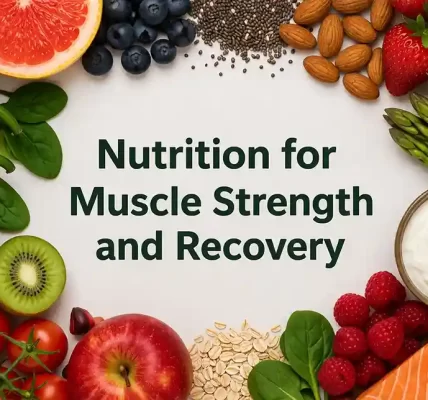
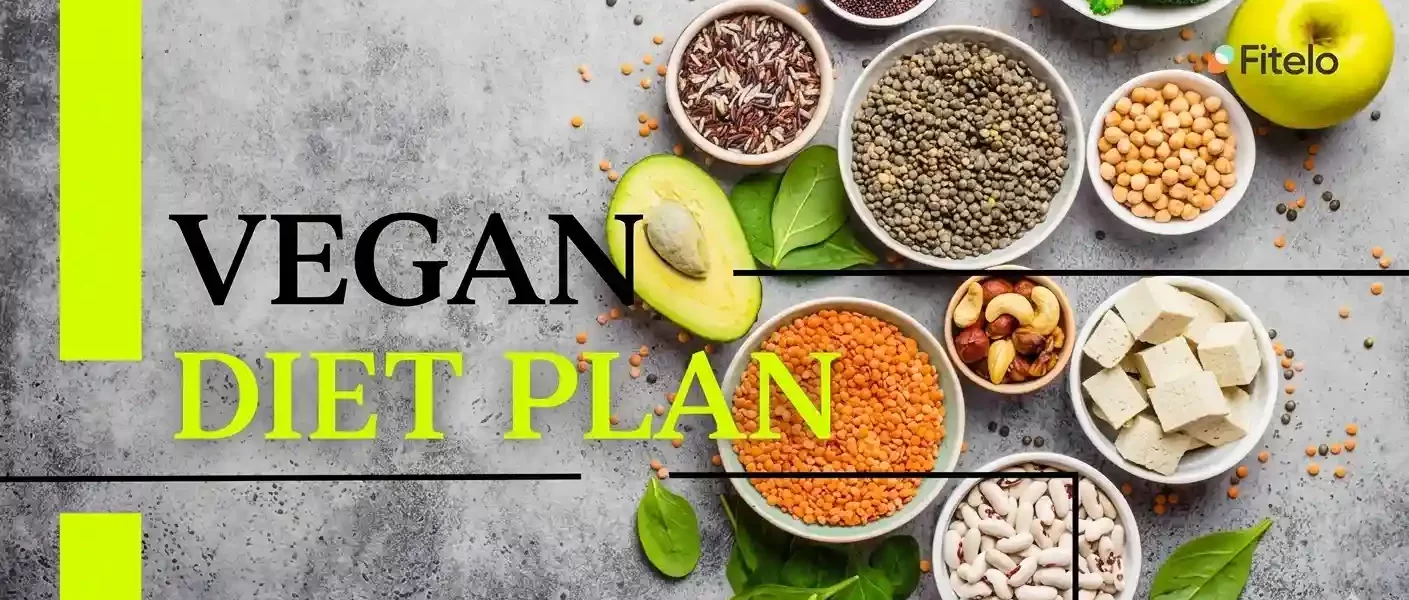
- Fruits and vegetables
- Whole grains (brown rice, oats, quinoa)
- Legumes (lentils, beans, chickpeas)
- Nuts and seeds
- Dairy or eggs (if included)
Limit:
- Processed vegetarian foods
- High-sugar and high-salt products
A diverse and balanced diet ensures you meet your nutritional needs.
Should You Go Vegetarian?
A vegetarian diet can offer numerous health benefits, but it’s not automatically healthy.
👉 It works best when:
- You plan meals carefully
- You include a variety of foods
- You avoid over-reliance on processed options
If you have specific health conditions or concerns, it’s always best to consult a healthcare professional before making major dietary changes.
Final Thoughts
So, is a vegetarian diet really good for your health?
Yes—if done right.
A balanced vegetarian diet can:
- Improve heart health
- Support weight management
- Boost digestion
- Reduce disease risk
However, like any diet, success depends on quality, balance, and consistency.
Frequently Asked Questions (FAQs)
Can you get enough protein on a vegetarian diet?
Yes. Plant-based sources like beans, lentils, tofu, and nuts provide plenty of protein.